Why Cloud Based Accounting Is the Future for Business
The way businesses manage their finances is rapidly evolving. Manual bookkeeping, spreadsheets, and desktop-based systems are being replaced by smarter, faster, and more connected solutions. Today, why cloud-based accounting is the future for business is no longer a debate — it’s a reality.
Modern organizations need real-time access, automation, and secure collaboration. Cloud accounting delivers all of this and more.
The Shift from Traditional to Cloud Accounting
Traditional accounting systems often create limitations:
Data stored on a single device
Limited remote access
Manual backups
High risk of data loss
Complex software updates
Cloud-based platforms remove these barriers by offering secure, online access from anywhere. Teams can manage accounts, payroll, invoices, and reports without being tied to a physical office.
Real-Time Financial Visibility
One of the biggest advantages of cloud accounting is instant access to financial data. Business owners and managers can:
Monitor cash flow
Track expenses and income
Generate financial statements
Review project performance
Analyze profitability
Real-time reporting allows faster and smarter decision-making, which is critical for growing businesses.
Automation Increases Efficiency
Cloud systems automate repetitive accounting tasks such as:
Journal entries
Invoice generation
Payment tracking
Payroll calculations
Tax policy management
Automation reduces errors, saves time, and improves overall accuracy.
Stronger Data Security
Security is a top concern for any business handling financial information. Cloud accounting platforms provide:
Encrypted data storage
Role-based access controls
Automated backups
Audit trails for transparency
Secure login authentication
Instead of relying on a single local system, cloud platforms ensure your financial data remains protected and recoverable.
Seamless Integration Across Departments
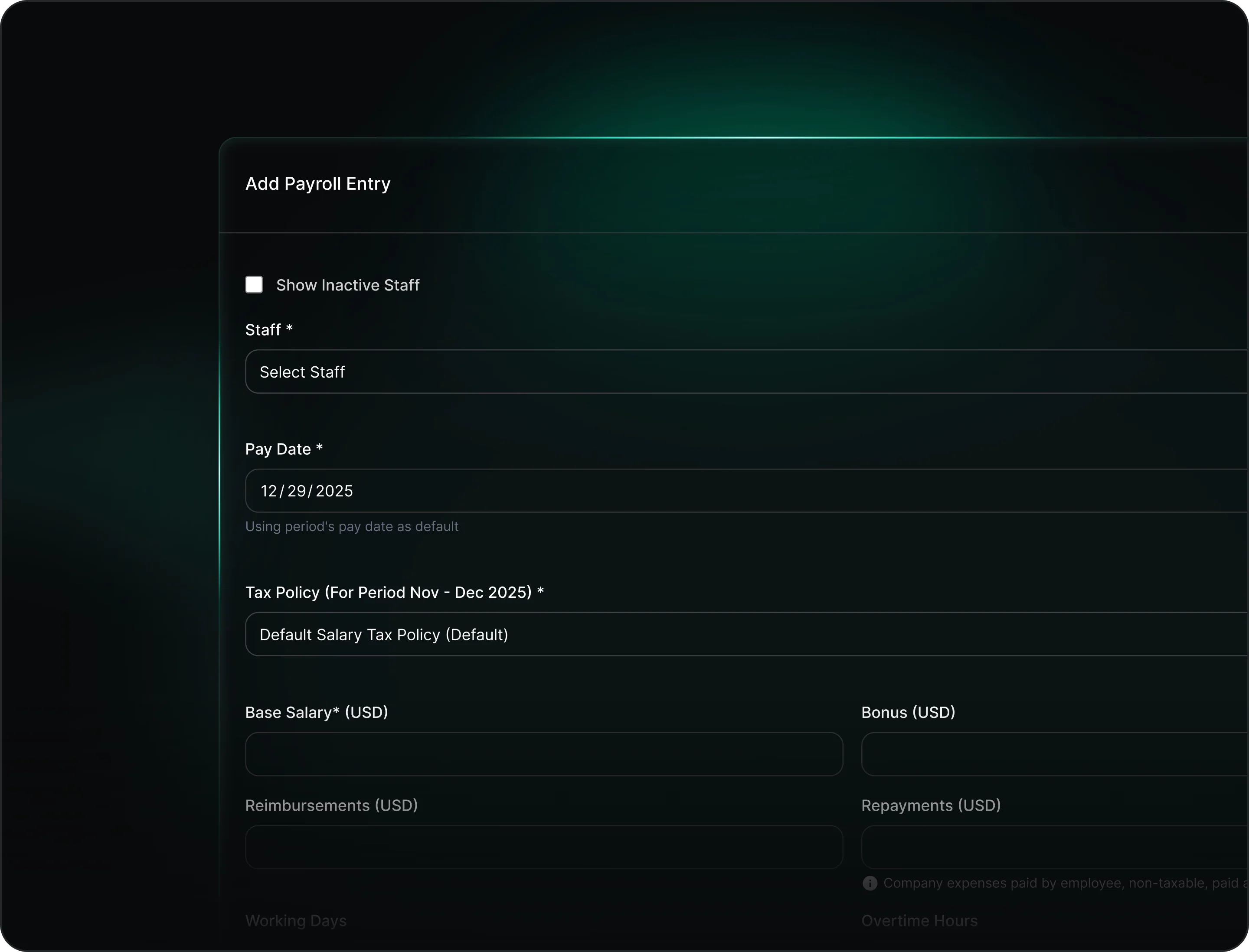
Modern businesses don’t operate in silos. Accounting must connect with payroll, time tracking, staff management, and invoicing.
An integrated solution ensures:
Payroll connects directly to accounting records
Time tracking feeds into project costing
Invoices update financial statements automatically
Staff appraisals and salary adjustments remain documented
Halal Accounts offers an all-in-one double-entry accounting system designed for productive teams. With built-in payroll, time tracking, invoice management, reporting, and staff management, businesses can streamline operations while maintaining financial integrity and scalability.
Scalability for Growing Businesses
As companies expand, financial processes become more complex. Cloud-based systems grow with your organization — supporting more users, projects, clients, and transactions without requiring expensive infrastructure upgrades.
Whether you’re a startup or a large enterprise, cloud accounting adapts to your needs.
Cost-Effective and Accessible
Cloud solutions eliminate the need for heavy upfront investments in servers and IT maintenance. Subscription-based pricing makes advanced accounting features accessible to businesses of all sizes.
With flexible pricing plans and scalable features, businesses can choose what fits their current stage while preparing for future growth.
Conclusion
The future of business finance lies in flexibility, automation, and security. Cloud accounting delivers real-time insights, integrated workflows, and scalable infrastructure that traditional systems simply cannot match.
For businesses looking to stay competitive, efficient, and secure, cloud-based accounting is not just an option; it’s the future.

Let’s get started and simplify your administration
Join Halal Accounts to manage your accounts and business better.
Accounting
Staff management
Projects and Tasks
Invoicing and Time Tracking