Cloud Accounting Security: What Businesses Need to Know
In today’s digital economy, businesses are rapidly moving their financial operations online. From invoicing and reporting to payroll and tax management, cloud-based systems are transforming how companies operate. However, with this convenience comes an important question: How secure is your financial data in the cloud?
Understanding cloud accounting security is essential for modern teams that want both flexibility and protection.
Why Businesses Are Switching to the Cloud
Traditional accounting systems often rely on local servers or manual processes. These methods are not only time-consuming but also vulnerable to data loss, theft, and human error.
Cloud platforms provide:
Real-time financial access
Automated backups
Secure data encryption
Remote collaboration for teams
Integrated payroll, invoicing, and reporting
For growing companies, cloud accounting security ensures sensitive financial records stay protected while maintaining productivity.
Key Security Features Every Business Should Look For
When choosing an accounting solution, security should be a top priority. Here are the most important features to consider:
1. Data Encryption
Your financial data should be encrypted both in transit and at rest. This prevents unauthorized access even if data is intercepted.
2. Role-Based Access Control
Not every team member needs access to everything. Secure systems allow you to define permissions for payroll, invoices, reports, and staff records.
3. Automated Backups
Automatic backups protect your company against accidental deletions, hardware failure, or cyberattacks.
4. Multi-Factor Authentication (MFA)
MFA adds an extra layer of security by requiring more than just a password to log in.
5. Audit Trails
A strong cloud accounting system maintains complete audit logs, allowing you to track who accessed or modified financial records.
Common Security Risks Businesses Face
Even with modern tools, risks still exist if security measures are weak:
Weak passwords
Unrestricted employee access
Unsecured devices
Phishing attacks
Outdated systems
Businesses must combine secure software with internal security policies and staff training.
How Integrated Systems Improve Protection
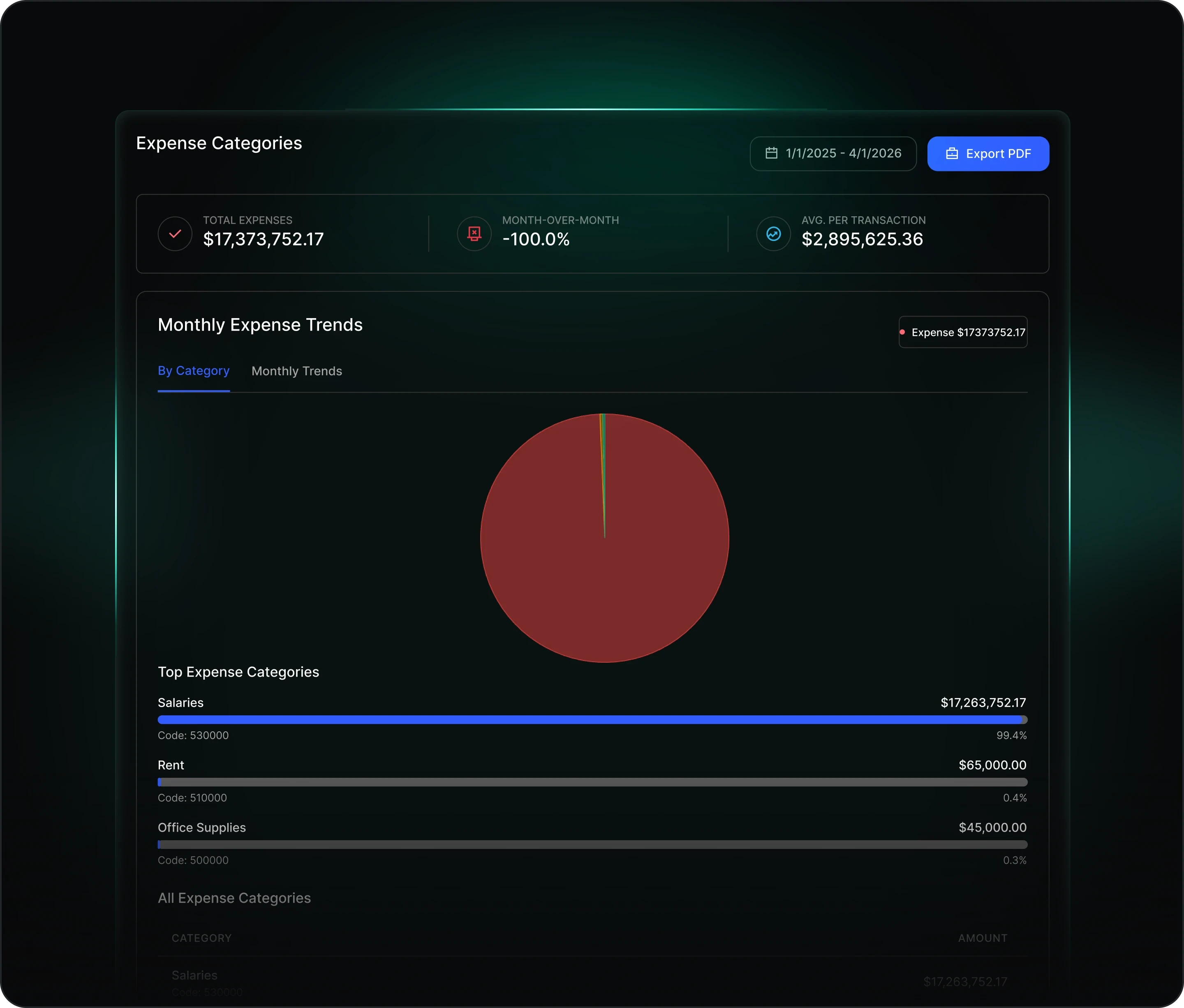
When your accounting, payroll, invoicing, time tracking, and reporting are managed in one unified platform, security improves significantly. Instead of using multiple disconnected tools, an all-in-one solution reduces vulnerabilities and simplifies monitoring.
Halal Accounts provides a complete double-entry accounting system designed for modern teams. With integrated payroll, time tracking, invoice management, staff appraisals, and secure reporting — all under one platform — businesses can maintain financial integrity while ensuring data protection and audit transparency.
Best Practices to Strengthen Your Cloud Security
To maximize protection, businesses should:
Enforce strong password policies
Enable multi-factor authentication
Limit access based on roles
Regularly review audit logs
Train employees on cybersecurity awareness
Choose a provider with strong compliance standards
Cloud accounting security isn’t just about technology — it’s about creating a secure financial environment for your entire organization.
Final Thoughts
As businesses scale, financial complexity increases. Managing accounts, payroll, tax policies, and projects manually is no longer sustainable — nor secure. Moving to a secure, automated cloud accounting system allows teams to work faster, smarter, and safer.
By choosing the right platform and implementing strong security practices, businesses can protect their data while focusing on growth and productivity.

Let’s get started and simplify your administration
Join Halal Accounts to manage your accounts and business better.
Accounting
Staff management
Projects and Tasks
Invoicing and Time Tracking