How Payroll Automation Reduces Employee Payment Errors
Payroll mistakes can damage employee trust, create compliance risks, and waste valuable management time. Even a small salary miscalculation can lead to dissatisfaction, HR disputes, and accounting complications. That’s why modern businesses are shifting toward payroll automation to eliminate manual errors and improve financial accuracy.
As companies grow, payroll becomes more complex. Salaries, bonuses, overtime, tax deductions, leave adjustments, and benefits must all be calculated precisely. Relying on spreadsheets or manual systems increases the likelihood of human error. Payroll automation solves this problem by creating a structured, rule-based system that ensures consistent and accurate processing.
Why Payroll Errors Happen
Before understanding how automation reduces mistakes, it’s important to know why payroll errors occur in the first place.
Common causes include:
Manual data entry mistakes
Incorrect overtime calculations
Misapplied tax deductions
Missed leave adjustments
Duplicate entries
Delayed updates in salary changes
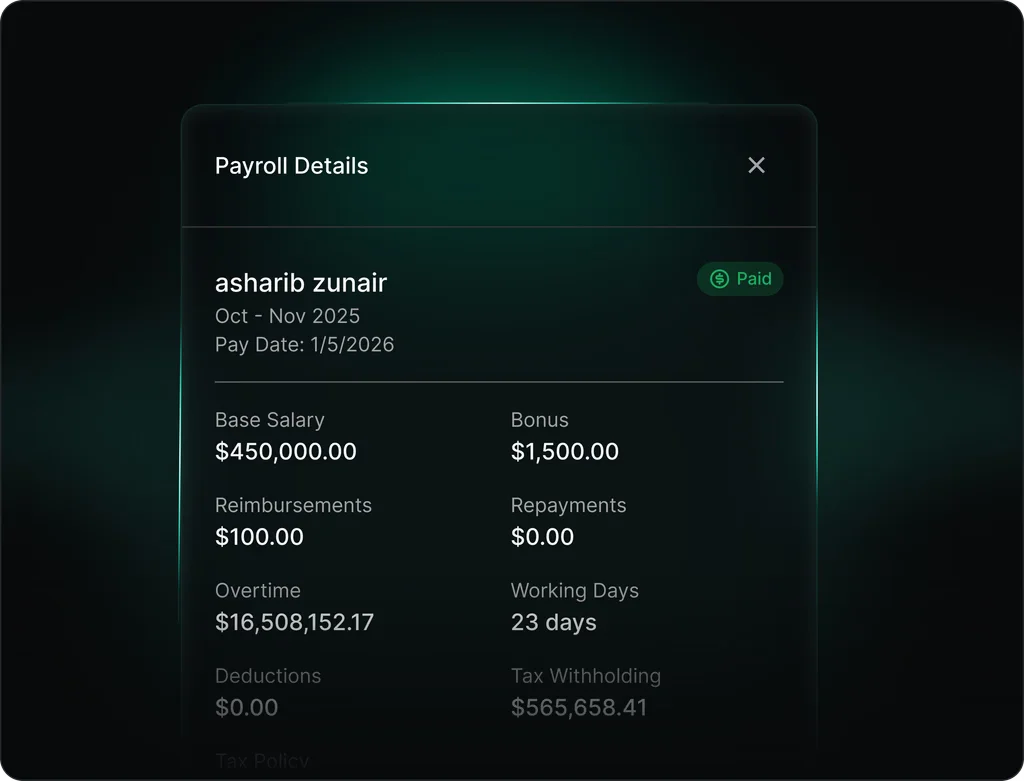
When payroll is handled manually, even experienced teams can make errors. A simple typo in hours worked or tax percentage can affect an employee’s final paycheck. Over time, these small errors accumulate into serious operational issues.
Automation Eliminates Manual Calculations
Payroll automation removes the need for repetitive manual computations. Instead of calculating each employee’s salary separately, the system uses predefined rules for:
Salary structures
Tax policies
Overtime rates
Leave deductions
Bonus and commission rules
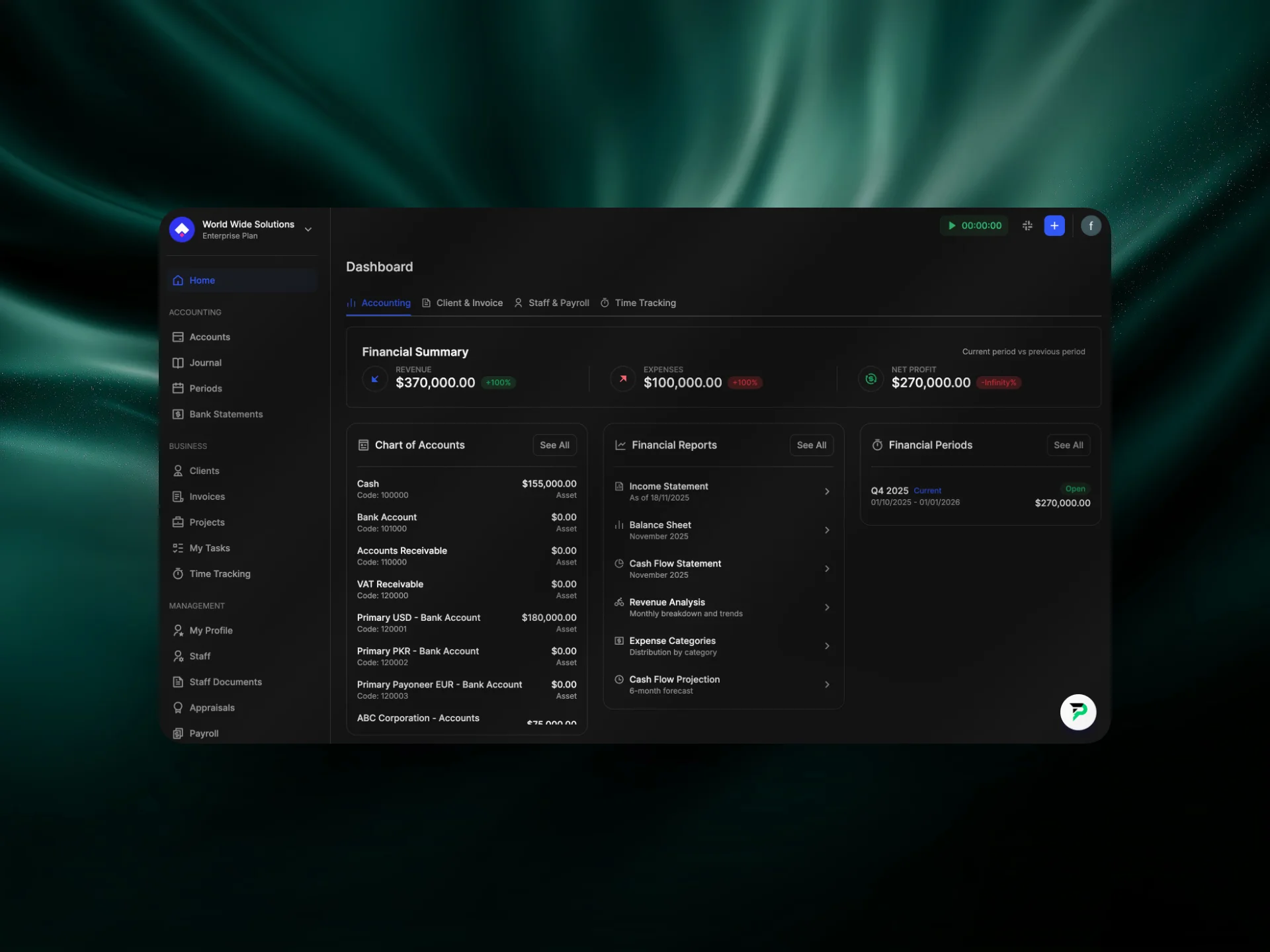
Once configured, the system automatically applies these rules during every payroll cycle. This reduces dependency on manual intervention and ensures consistency across the organization.
Because calculations are system-driven, there is far less room for arithmetic mistakes or forgotten adjustments.
Real-Time Data Synchronization
Another major cause of payroll errors is outdated information. For example, if HR updates a salary increment but accounting uses an old record, incorrect payments may occur.
Automated systems synchronize employee data in real time. When salary adjustments, promotions, or tax updates are entered, the payroll engine immediately reflects those changes in the next processing cycle.
This integration between departments ensures:
Accurate salary updates
Correct tax calculations
Proper leave adjustments
Transparent payment records
When payroll connects with attendance and time tracking modules, the system automatically calculates payable hours based on approved timesheets. This eliminates overtime disputes and missed working hours.
Built-In Validation and Error Checks
Automated payroll systems include validation mechanisms that detect anomalies before payments are processed. For example, the system may flag:
Unusual salary changes
Excessive overtime entries
Missing tax information
Incomplete employee records
These checks act as a safety layer, allowing administrators to review and correct inconsistencies before payroll is finalized.
In manual systems, such checks rely heavily on human review. Automation introduces structured verification that significantly lowers the risk of accidental overpayments or underpayments.
Standardized Payroll Workflows
When payroll follows a standardized digital workflow, every step becomes traceable and documented. Automation ensures that:
Payroll periods are locked after approval
Adjustments require authorization
Payment approvals are recorded
Historical records are stored securely
This structured process reduces confusion and prevents unauthorized changes.
For accounting teams managing multiple clients or departments, tools like payroll software for accountants provide centralized dashboards, automated reporting, and compliance tracking to ensure accurate multi-entity payroll management without duplication errors.
Reduced Compliance Risks
Payroll errors often lead to compliance penalties, especially when tax calculations are incorrect. Automation keeps tax policies up to date within the system, reducing the risk of applying outdated rates.
Since payroll rules are pre-configured, the system automatically calculates:
Income tax deductions
Social contributions
Allowances
Regulatory benefits
This not only reduces payment errors but also ensures businesses remain compliant with financial regulations.
Transparent Audit Trails
One of the strongest advantages of payroll automation is detailed audit history. Every change — whether it’s a salary revision, bonus addition, or deduction — is recorded with timestamps and user details.
This transparency helps in:
Resolving employee disputes
Conducting internal audits
Preparing financial reports
Ensuring accountability
If an employee questions a paycheck, management can quickly trace the calculation breakdown and identify the source of any discrepancy.
Faster Processing with Greater Accuracy
Manual payroll processing can take days, especially in organizations with many employees. Automation significantly reduces processing time by handling calculations instantly.
With faster processing:
Errors are identified earlier
Payments are released on time
Administrative workload decreases
HR and finance teams focus on strategic tasks
Timely and accurate payroll strengthens employee confidence and organizational credibility.
Integration with Accounting Systems
When payroll operates separately from accounting, reconciliation errors are common. Automated systems integrate payroll directly with financial records.
This ensures that:
Salary expenses are recorded accurately
Tax liabilities are updated automatically
Financial statements reflect real-time payroll data
Journal entries are generated without duplication
Integrated systems eliminate manual journal entries and reduce reconciliation mismatches.
Scalable for Growing Teams
As businesses expand, payroll complexity increases. More employees, departments, and compensation structures create higher risks of mistakes.
Automation scales effortlessly. Whether managing ten employees or thousands, the system maintains consistent calculations and structured workflows.
This scalability ensures that growth does not compromise payroll accuracy.
Conclusion
Payroll errors are costly — not only financially but also in terms of employee trust and compliance risks. Manual systems leave too much room for mistakes, especially as businesses grow.
Payroll automation reduces employee payment errors by eliminating manual calculations, synchronizing real-time data, applying standardized rules, and maintaining secure audit trails. It increases speed, accuracy, transparency, and compliance across the organization.
For businesses looking to streamline payroll, improve financial control, and ensure payment accuracy, adopting an integrated system like Halal Accounts provides a structured and scalable solution designed for productive teams.

Let’s get started and simplify your administration
Join Halal Accounts to manage your accounts and business better.
Accounting
Staff management
Projects and Tasks
Invoicing and Time Tracking