How Time Tracking Improves Payroll Accuracy

Payroll mistakes can be costly. Even small errors in logged hours, overtime calculations, or leave deductions can lead to employee dissatisfaction, compliance issues, and financial discrepancies. For growing businesses, manual timesheets and disconnected systems often increase the risk of these problems. This is where structured time tracking becomes essential.
When businesses implement a centralized time tracking system, payroll accuracy improves significantly. It creates a clear link between the hours employees work and the salaries they receive — reducing guesswork and manual corrections.
Eliminates Manual Calculation Errors
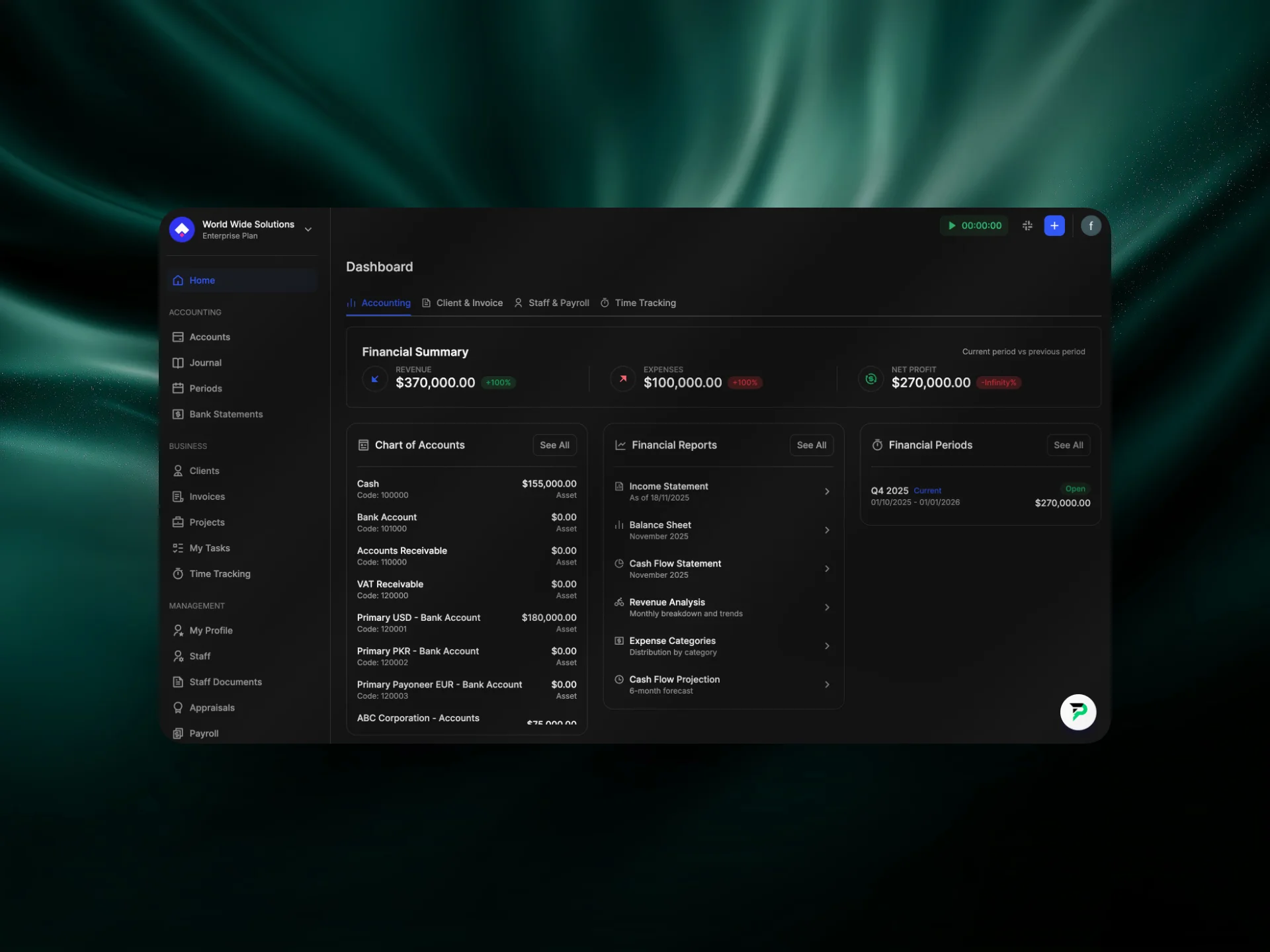
One of the biggest causes of payroll inaccuracies is manual data entry. When managers rely on spreadsheets or handwritten timesheets, there is always a risk of:
Incorrect hour entries
Miscalculated overtime
Missed leave deductions
Duplicate data entries
Automated time tracking removes these risks by recording hours in real time. Once data is captured digitally, it flows directly into payroll calculations, reducing human intervention and minimizing errors.
Ensures Accurate Overtime and Leave Management
Tracking regular hours is simple, but overtime, time-off, and public holidays often create confusion. Without a structured system, businesses may:
Overpay employees due to miscalculated overtime
Underpay staff by missing approved extra hours
Miscalculate leave balances
With an integrated system, overtime rules and leave policies are predefined. When employees log their time, the system automatically categorizes standard hours, overtime, and absences. This ensures payroll reflects actual worked hours according to company policy.
Improves Transparency and Trust
Payroll accuracy is not only about numbers — it’s also about employee trust. When staff consistently receive accurate salaries, it builds confidence in management. On the other hand, repeated corrections and payment adjustments damage morale.
A time tracking system creates transparency. Employees can see:
Logged hours
Approved timesheets
Leave balances
Overtime records
When everything is documented and accessible, disputes reduce significantly because both HR and employees rely on the same data source.
Simplifies Compliance and Audits
Many businesses must comply with tax regulations, labor laws, and audit requirements. Inaccurate payroll records can lead to penalties and legal complications. Proper time tracking ensures that:
Work hours are documented properly
Salary calculations are traceable
Tax deductions are based on verified data
During audits, businesses can quickly present structured records instead of manually gathering scattered documents. This reduces stress and ensures compliance with financial regulations.
Enhances Project-Based Payroll Accuracy
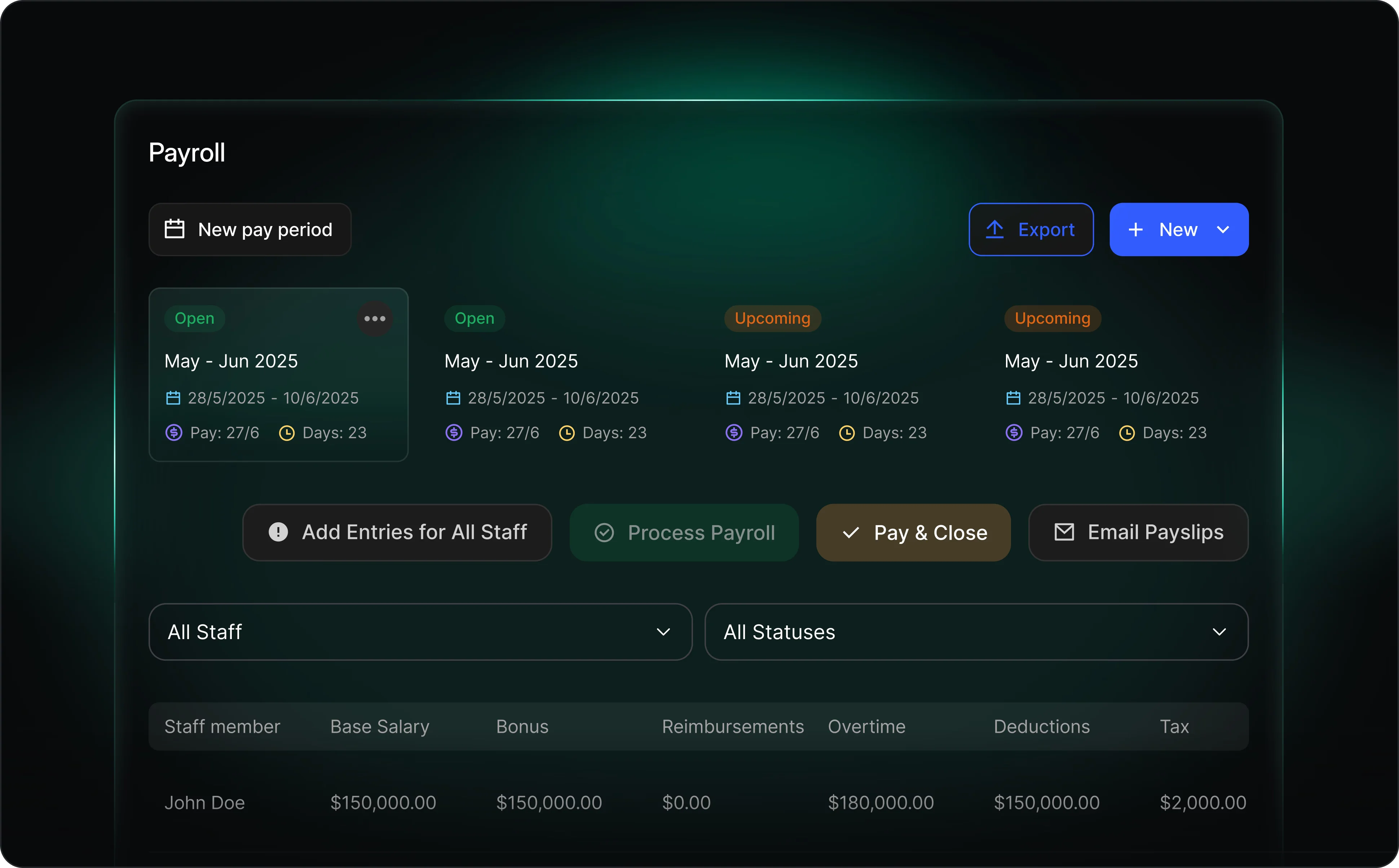
For companies working on multiple projects, time tracking also helps allocate labor costs accurately. Employees may work on different clients or departments, and without tracking, it becomes difficult to calculate true project expenses.
By linking time entries to specific tasks or projects, payroll data becomes more detailed and useful. This not only ensures employees are paid correctly but also helps management understand profitability and resource utilization.
Reduces Administrative Workload
Payroll teams often spend hours reconciling attendance sheets with salary calculations. If there are errors, they must revisit entries, confirm with managers, and reprocess payments. This consumes time that could be spent on strategic planning.
Automated time tracking streamlines the entire process. Once hours are approved, payroll can be processed quickly and confidently. This reduces administrative burden and increases overall operational efficiency.
Supports Scalable Business Growth
As a business grows, managing payroll manually becomes unsustainable. More employees mean more complexity — multiple pay structures, varying work hours, different tax brackets, and appraisal adjustments.
Using the best accounting software that integrates time tracking with payroll ensures scalability. Instead of changing systems later, businesses can rely on a centralized solution that supports staff management, payroll, and reporting from day one.
Real-Time Insights for Better Decisions
Accurate time data does more than improve payroll — it provides insights into workforce productivity. Managers can identify patterns such as:
Frequent overtime
Delays in project completion
High absenteeism
These insights allow leadership to make informed staffing and budgeting decisions while maintaining payroll accuracy.
Accurate payroll is critical for financial stability and employee satisfaction. By integrating time tracking directly into payroll systems, businesses eliminate manual errors, improve compliance, and create transparency across teams. As organizations scale, having a unified solution that combines accounting, payroll, invoicing, and time management becomes essential.
For businesses looking to simplify administration and improve payroll precision, an all-in-one platform like Halal Accounts provides the structure, automation, and reliability needed to manage finance, time tracking, and staff operations seamlessly.

Let’s get started and simplify your administration
Join Halal Accounts to manage your accounts and business better.
Accounting
Staff management
Projects and Tasks
Invoicing and Time Tracking