How Smart Finance Platforms Are Changing Businesses in 2026

Managing finances has always been one of the most critical parts of running a business. From tracking expenses to managing payroll and generating reports, financial operations require accuracy, consistency, and transparency. In the past, many companies relied on spreadsheets or disconnected systems to handle these tasks. While these methods worked to some extent, they often led to inefficiencies and time-consuming manual work.
Today, smart finance platforms are transforming how organizations manage their financial operations. With automation, real-time insights, and integrated tools, businesses can now simplify complex accounting tasks and focus more on growth rather than administrative burdens.
The Shift Toward Digital Finance Management
Over the past decade, businesses have gradually moved away from traditional accounting methods toward cloud-based financial systems. This shift has been driven by the need for faster decision-making, better financial visibility, and improved operational efficiency.
Smart finance platforms bring multiple functions together in a single ecosystem. Instead of managing accounting, payroll, invoicing, and time tracking through separate tools, companies can now operate everything from one centralized platform. This integration helps eliminate data silos and reduces the risk of errors caused by manual data entry.
Another major advantage is accessibility. Since these platforms are cloud-based, business owners and finance teams can access financial data anytime and from anywhere. This flexibility allows teams to collaborate more effectively and respond quickly to financial changes.
Automation Reduces Manual Work
Manual accounting tasks can take up a significant portion of a finance team's time. Tasks such as entering transactions, reconciling accounts, generating invoices, and preparing reports can quickly become overwhelming, especially as a business grows.
Smart finance platforms automate many of these repetitive tasks. Transactions can be automatically synced with bank accounts, invoices can be generated and sent with a few clicks, and financial reports can be produced instantly. Automation not only saves time but also reduces the likelihood of human error.
For growing businesses, this efficiency is essential. As transaction volumes increase, automation ensures that financial management remains organized without requiring a large accounting team.
Real-Time Financial Insights for Better Decisions
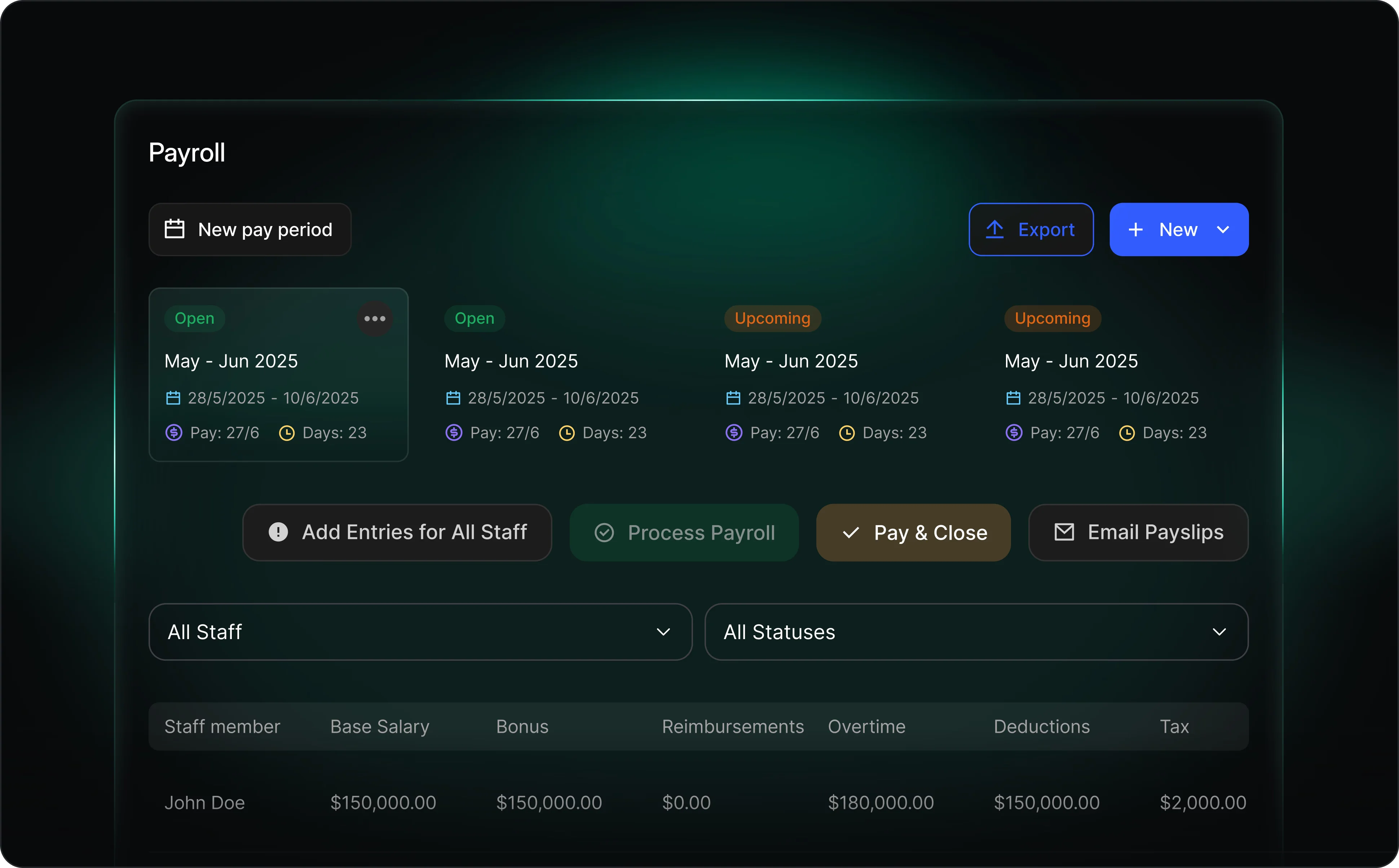
One of the biggest advantages of modern finance platforms is real-time reporting. Instead of waiting until the end of the month to understand financial performance, businesses can now view updated financial data instantly.
Real-time dashboards provide insights into cash flow, expenses, revenue, and profitability. These insights help business owners make informed decisions faster. For example, companies can quickly identify areas where costs are rising or spot new opportunities for investment.
Having immediate access to financial data also improves strategic planning. Businesses can forecast growth more accurately and adjust their financial strategies based on current performance.
Integrated Tools Improve Team Productivity
Finance is rarely an isolated department. Accounting often overlaps with project management, human resources, and operations. Smart finance platforms address this challenge by integrating tools that support multiple departments within the same system.
For instance, time tracking tools allow teams to log work hours that can later be connected to payroll or project billing. Staff management features help companies track employee performance, salary adjustments, and appraisals. Similarly, invoicing systems enable businesses to manage client payments while maintaining a detailed financial history.
When these tools are integrated, teams no longer need to switch between multiple platforms. This creates a smoother workflow and improves productivity across the organization.
Better Compliance and Financial Transparency
Compliance is another area where modern finance platforms provide significant value. Businesses must maintain accurate financial records for audits, tax filings, and regulatory requirements. Smart accounting systems help maintain structured records, transaction histories, and detailed reports that simplify compliance processes.
Audit trails ensure that every financial activity is recorded and traceable. This transparency makes it easier for businesses to track changes and maintain accountability within financial operations.
In the middle of this transformation, many organizations are searching for the Best Accounting Software that can handle everything from financial reporting to payroll and invoicing in a single platform. Choosing the right system allows companies to maintain financial accuracy while reducing administrative workload.
Scalability for Growing Businesses
As businesses grow, their financial processes become more complex. What works for a small startup may not be sufficient for a mid-sized or large organization. Smart finance platforms are designed with scalability in mind.
Many systems allow businesses to start with basic features and gradually add more advanced tools as their needs evolve. For example, a company may initially use the platform for invoicing and expense tracking, then later expand to payroll management, employee appraisals, and project management.
This flexibility ensures that businesses can continue using the same system as they grow, avoiding the need to switch platforms frequently.
The Future of Business Finance
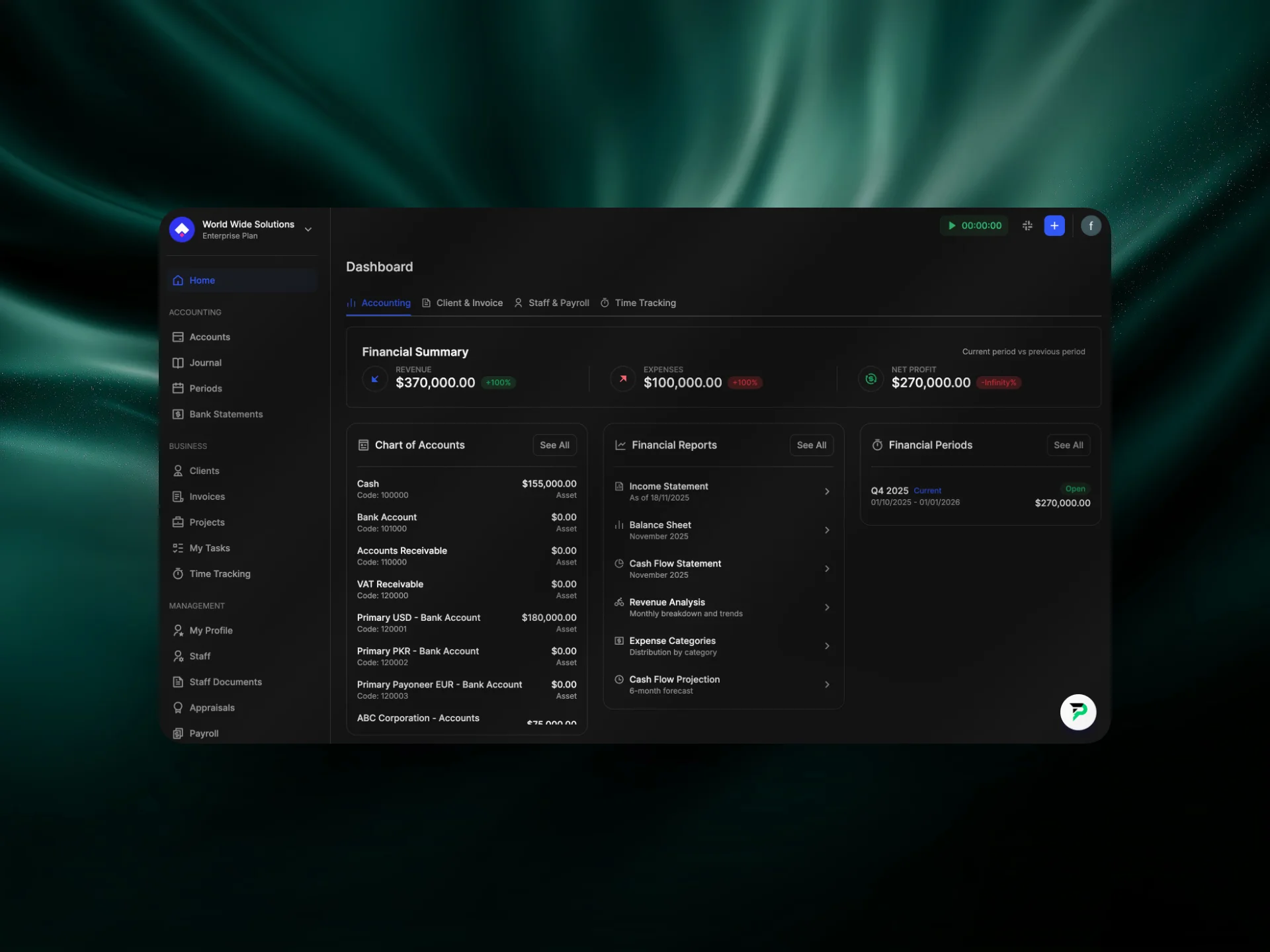
Smart finance platforms are not just improving accounting processes—they are reshaping how businesses operate. By combining automation, real-time insights, and integrated management tools, these platforms enable companies to operate more efficiently and make better financial decisions.
As technology continues to evolve, we can expect finance platforms to become even more intelligent. Features like AI-powered forecasting, predictive analytics, and automated financial recommendations will further simplify financial management.
For businesses looking to stay competitive, adopting modern finance solutions is no longer optional. It has become a key factor in maintaining efficiency, improving transparency, and supporting long-term growth. Platforms like Halal Accounts are helping modern teams manage accounting, payroll, invoicing, and time tracking from a single, streamlined system.

Let’s get started and simplify your administration
Join Halal Accounts to manage your accounts and business better.
Accounting
Staff management
Projects and Tasks
Invoicing and Time Tracking