Digital Finance Trends Every Business Should Know

In today’s fast-paced business environment, staying updated on digital finance trends is no longer optional—it’s essential. Modern companies need tools that streamline accounting, payroll, invoicing, and time tracking while providing real-time insights into their financial performance. Businesses that embrace these innovations can not only reduce errors and save time but also make smarter, data-driven decisions that support growth and long-term success.
Whether you are a small business just starting or a large organization managing thousands of transactions, understanding and adopting these trends will help you stay competitive in an increasingly digital world.
1. Automation is Transforming Accounting
One of the most significant shifts in digital finance is the rise of automation. Manual bookkeeping and repetitive administrative tasks are being replaced with automated systems that handle invoicing, bank reconciliations, payroll, and reporting.
Automation reduces human error, speeds up processes, and allows finance teams to focus on strategy and business growth rather than tedious tasks. By leveraging automated accounting tools, companies can ensure accurate records, faster processing, and a more organized financial workflow.
2. Real-Time Reporting
Gone are the days of waiting until the end of the month to review financial statements. Real-time reporting enables businesses to access live financial data instantly, monitor cash flow, track expenses, and analyze revenue trends on the go.
This capability allows managers to make proactive decisions, quickly identify issues, and adjust business strategies immediately. With real-time insights, companies can better forecast future needs, manage resources efficiently, and maintain financial health even in volatile markets.
3. Integrated Payment Solutions
Modern businesses demand integrated financial systems that connect invoices, bank accounts, and payment gateways seamlessly. This integration allows organizations to simplify payment tracking, reduce delays, and enhance transparency across the entire revenue cycle.
By automating invoice reminders, linking online payment options, and tracking payouts in a single platform, companies can minimize missed payments and improve overall cash flow management.
4. Cloud-Based Financial Management
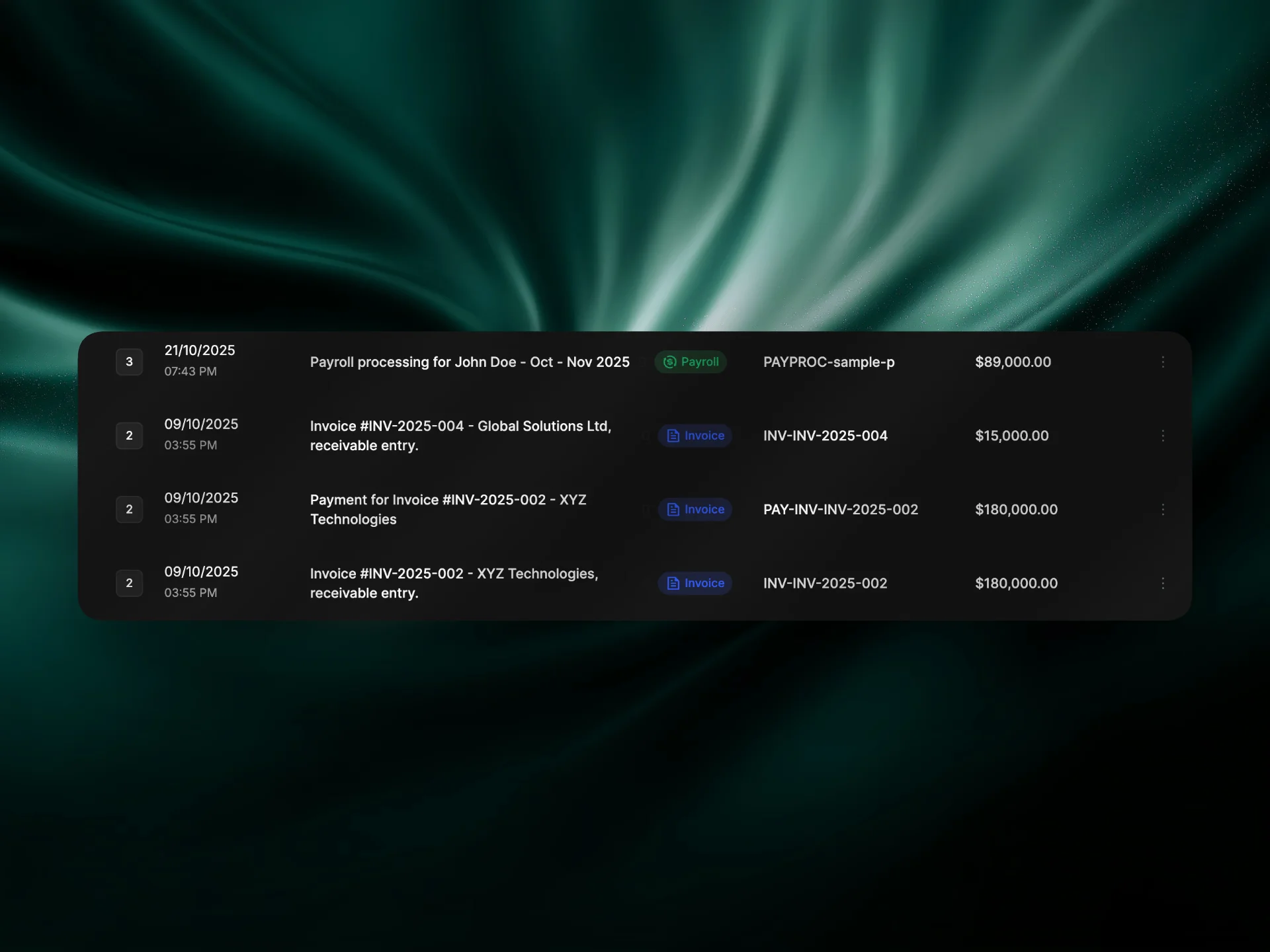
Cloud technology has revolutionized how businesses handle finances. Cloud-based finance platforms offer flexibility, scalability, and robust security, enabling teams to access financial information from anywhere in the world.
Cloud solutions also allow multiple departments to collaborate on projects in real-time, ensure compliance with industry regulations, and reduce the need for extensive IT infrastructure. This scalability makes cloud financial management suitable for companies of all sizes, from startups to large enterprises.
5. Data-Driven Insights
Data analytics is becoming a core component of financial management. Modern platforms provide detailed analytics that allow companies to understand spending patterns, forecast revenue, and optimize resource allocation.
These insights help businesses make smarter strategic decisions and identify growth opportunities that were previously hidden in complex spreadsheets. By leveraging data-driven finance tools, companies can stay ahead of competitors and respond quickly to market changes.
6. Focus on Team Performance
A performance management system for teams is now an integral part of financial planning. Linking employee productivity, timesheets, appraisals, and payroll data to financial outcomes ensures that human resources are fully aligned with company goals.
By monitoring performance metrics and incentivizing productivity, businesses can improve efficiency while maintaining transparency and fairness across the organization. This approach ensures that team performance directly supports overall business growth.
Conclusion
Digital finance is no longer just about bookkeeping—it is a strategic driver of efficiency, productivity, and growth. By adopting automation, real-time reporting, integrated payment systems, cloud management, and data-driven insights, businesses can streamline operations, reduce costs, and make smarter decisions faster.
For companies looking to implement these solutions seamlessly, Halal Accounts offers an all-in-one platform that integrates accounting, payroll, invoicing, and time tracking for businesses of every size.

Let’s get started and simplify your administration
Join Halal Accounts to manage your accounts and business better.
Accounting
Staff management
Projects and Tasks
Invoicing and Time Tracking