The Rise of Real-Time Accounting in 2026
Accounting is no longer limited to monthly reports or delayed financial updates. In 2026, businesses are shifting toward real-time accounting systems that provide instant access to financial data, operational performance, and business insights.
With digital transformation accelerating across industries, companies are increasingly adopting an All-in-One Project & Performance Management Tool to connect accounting, workforce management, and project tracking into one unified system.
Real-time accounting is quickly becoming the foundation of modern business operations.
What Is Real-Time Accounting?
Real-time accounting refers to continuously updated financial data that reflects business transactions as they happen.
Instead of waiting for end-of-month reconciliation, businesses can instantly monitor:
Revenue and expenses
Cash flow status
Project profitability
Payroll costs
Financial performance
This immediate visibility enables faster and more accurate decision-making.
1. Instant Financial Visibility for Better Decisions
Traditional accounting often creates delays between financial activity and reporting. Real-time systems eliminate this gap by automatically updating dashboards and reports.
Business owners and finance teams can:
Track income and expenses live
Monitor business health instantly
Identify financial risks early
Respond quickly to operational changes
This shift allows companies to move from reactive management to proactive planning.
2. Seamless Integration with Projects & Teams
Modern organizations require accounting tools that connect directly with daily operations.
Real-time accounting platforms integrate financial tracking with:
Project management
Time tracking
Staff performance monitoring
Task progress reporting
Businesses aiming to improve operational efficiency can explore our All-in-One Project & Performance Management Tool to manage projects, team productivity, and financial performance within a single platform.
3. Automated Bank & Transaction Synchronization
One of the biggest advancements in 2026 is automatic bank synchronization. Transactions are securely linked and categorized without manual entry.
This automation helps businesses:
Reduce bookkeeping workload
Prevent reconciliation errors
Maintain accurate financial records
Save administrative time
Finance teams can now focus more on strategy rather than data entry.
4. Real-Time Payroll and Workforce Insights
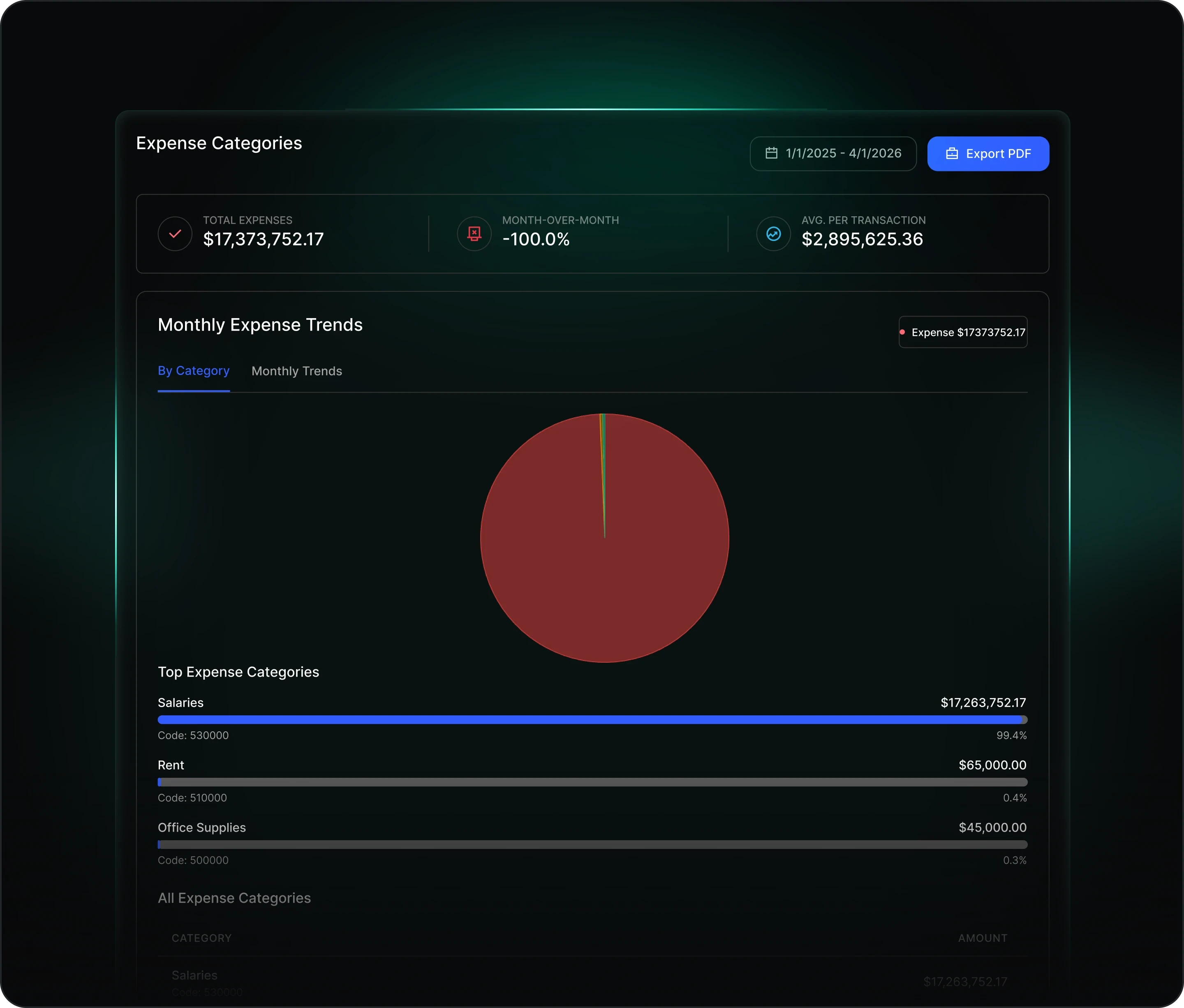
Payroll management is also evolving through real-time accounting systems. Employee hours, attendance, and compensation updates are automatically reflected in financial reports.
Organizations benefit from:
Accurate salary calculations
Instant payroll updates
Transparent performance tracking
Simplified compliance management
This creates stronger alignment between workforce productivity and financial outcomes.
5. Improved Cash Flow Management
Cash flow remains one of the biggest challenges for growing businesses. Real-time accounting provides continuous visibility into cash flow, helping organizations forecast shortages or surpluses before they occur.
Businesses can:
Predict payment cycles
Monitor outstanding invoices
Control operational expenses
Improve financial stability
6. Scalability for Modern Businesses
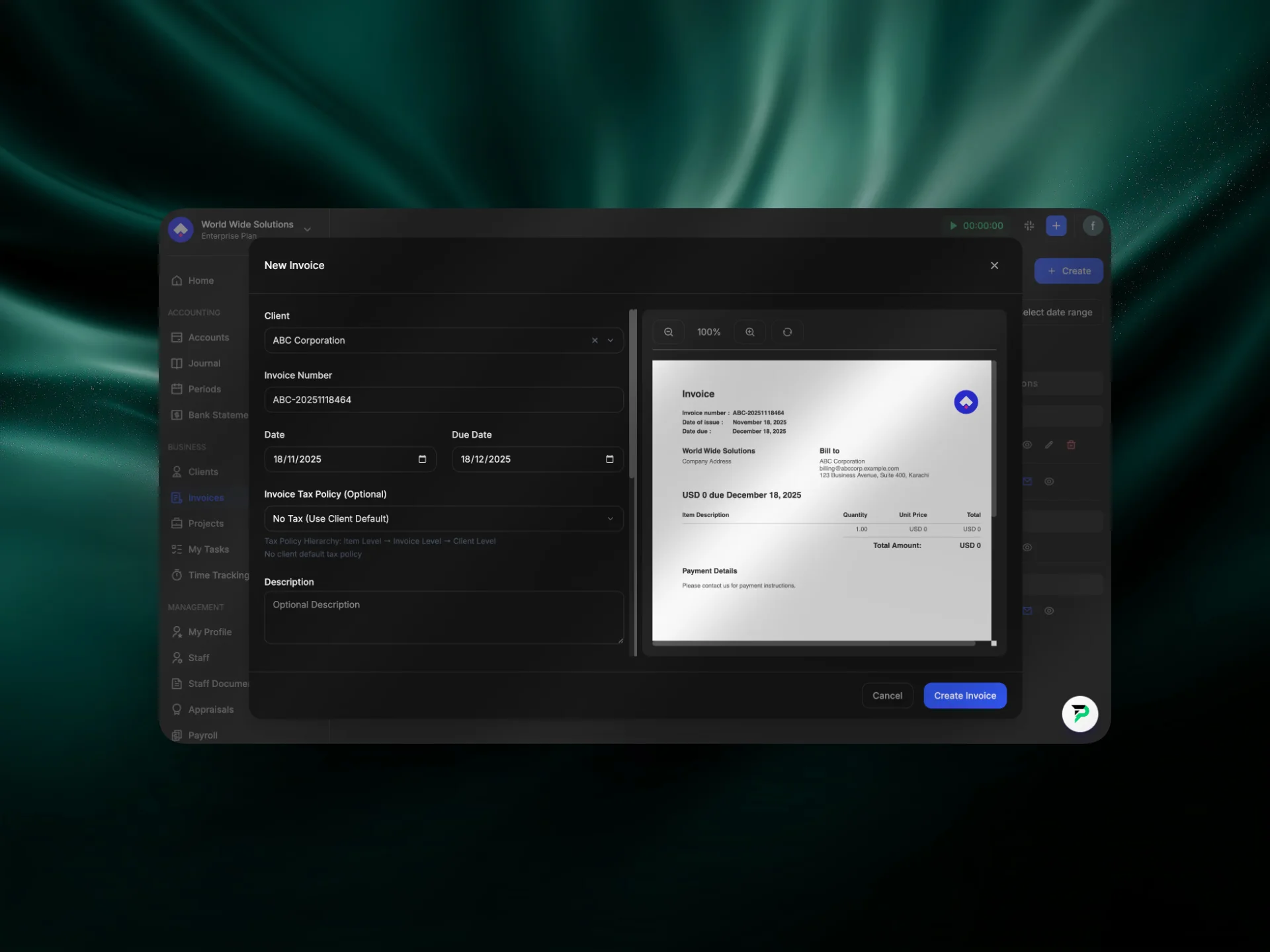
As companies expand, managing multiple projects, clients, and teams becomes complex. Real-time accounting systems scale effortlessly by centralizing financial and operational data.
Whether managing startups or enterprise teams, businesses gain a structured overview of performance without switching between multiple tools.
Final Thoughts
The rise of real-time accounting in 2026 marks a major shift toward smarter, faster, and more connected business management. Organizations that adopt integrated financial systems gain stronger operational control, improved productivity, and data-driven growth opportunities.
Solutions like Halal Accounts empower businesses with real-time finance tracking, project visibility, and performance management — helping teams operate more efficiently in an increasingly digital business environment.

Let’s get started and simplify your administration
Join Halal Accounts to manage your accounts and business better.
Accounting
Staff management
Projects and Tasks
Invoicing and Time Tracking