The Future of Payroll Management in 2026
Payroll management has always been a critical function for businesses, but as we approach 2026, the landscape is rapidly evolving. Traditional payroll systems are giving way to intelligent, automated, and integrated payroll solutions that not only simplify salary processing but also enhance compliance, accuracy, and employee satisfaction. Businesses, particularly startups and SMEs, are looking for systems that save time, reduce errors, and align with both operational and ethical standards.
Why Payroll Management Is Changing
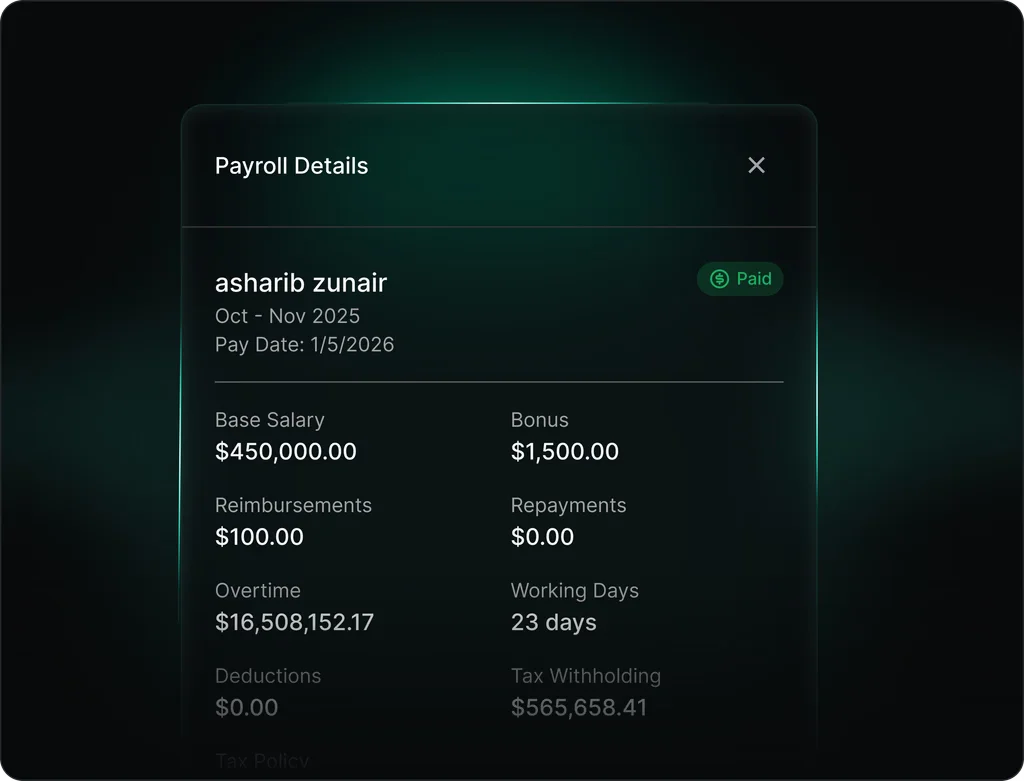
Several factors are driving the transformation of payroll management:
Automation and AI Integration – Modern payroll systems use AI to calculate salaries, tax deductions, and benefits automatically. This reduces manual errors, accelerates payroll cycles, and allows HR teams to focus on strategic initiatives rather than repetitive administrative tasks.
Remote and Hybrid Workforces – With more companies adopting flexible work arrangements, payroll systems must accommodate multiple locations, currencies, and varying labor laws. Advanced platforms make it easy to manage diverse teams while ensuring accurate payments.
Compliance and Regulation Updates – Governments and regulatory authorities are continuously updating labor, tax, and benefits laws. Payroll platforms that integrate automatic compliance updates help businesses avoid fines and penalties.
Employee Experience Focus – Employees now expect transparency and self-service options. Modern payroll tools provide access to payslips, tax documents, and time-off balances in real-time, improving satisfaction and engagement.
Key Features Shaping Payroll in 2026
1. Full Integration with HR and Accounting
Payroll will no longer exist as a standalone system. Integrated platforms connect payroll with HR, accounting, and project management tools. This ensures seamless data flow, reduces duplication, and provides leaders with a complete view of labor costs, budgets, and financial forecasting.
2. Automated Compliance
Compliance will continue to be a major priority. Future payroll systems automatically apply regulatory updates, calculate taxes, and ensure adherence to labor laws. For Muslim-owned businesses, platforms like Halal Accounts integrate Sharia-compliant payroll principles, aligning salary calculations, bonuses, and deductions with Islamic finance standards.
3. Real-Time Reporting and Analytics
Businesses increasingly rely on data-driven decisions. Payroll platforms in 2026 will provide real-time dashboards showing payroll expenses, overtime, benefits, and project-based allocations. These insights help managers make strategic decisions about staffing, project budgets, and workforce planning.
4. Cloud-Based and Mobile-Friendly Systems
Accessibility is key. Cloud-based payroll solutions allow HR teams and employees to access information from anywhere. Mobile apps enable on-the-go approvals, timesheet submissions, and payslip viewing, supporting hybrid and distributed workforces.
5. AI-Powered Predictions
The next generation of payroll management will leverage AI not only for calculations but also for predictive analytics. Platforms can forecast payroll trends, anticipate cash flow requirements, and suggest optimized staffing strategies based on historical data and business growth projections.
Benefits of Modern Payroll Systems
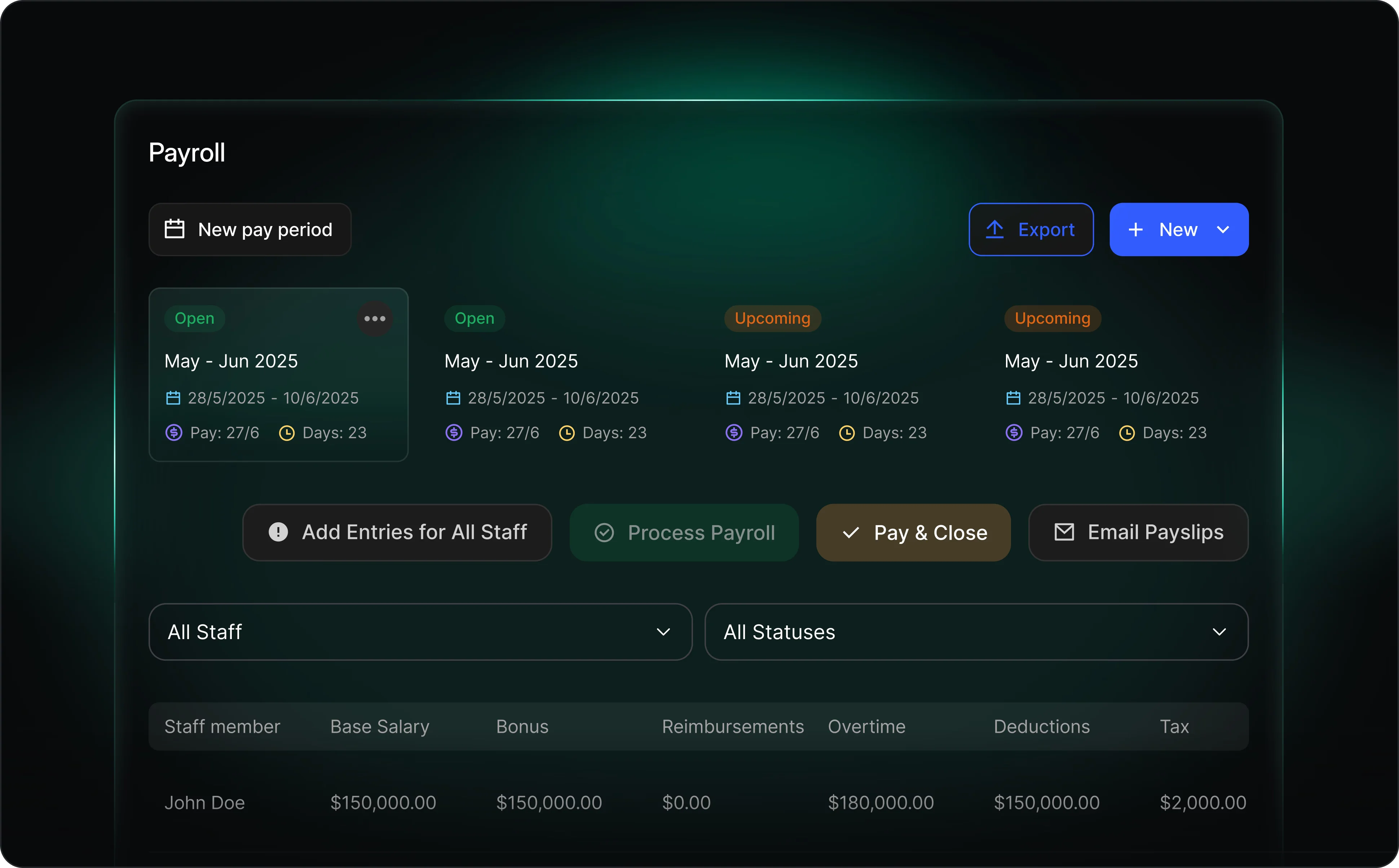
Time Savings – Automated payroll cycles reduce manual work and allow HR teams to focus on employee engagement and strategy.
Accuracy – Eliminates human errors in salary calculation, tax deductions, and overtime tracking.
Compliance Assurance – Keeps businesses up-to-date with regulatory changes, reducing legal risks.
Employee Satisfaction – Transparent access to payslips, benefits, and leave balances improves trust and engagement.
Scalability – Supports growing teams, multiple locations, and complex compensation structures without additional software.
Why Businesses Are Adopting Unified Payroll Solutions
Companies are moving toward unified finance and payroll platforms to consolidate operations, improve visibility, and reduce costs. Rather than using separate payroll, HR, and accounting tools, businesses can manage everything in a single system. This integration minimizes errors, speeds up workflows, and provides actionable insights for growth.
Platforms like Halal Accounts exemplify this approach by combining payroll management with time tracking, invoicing, HR management, and project oversight. For Muslim-owned businesses, this integration ensures financial operations adhere to Sharia principles without compromising on modern efficiency.
Preparing for Payroll in 2026
As we approach 2026, businesses should consider the following to stay ahead:
Adopt Cloud-Based Solutions – Enable remote accessibility and ensure data security.
Implement AI and Automation – Streamline calculations, compliance, and reporting.
Focus on Employee Self-Service – Provide real-time access to payroll information and benefits.
Ensure Integration – Connect payroll with HR, accounting, and project management for better efficiency.
Prioritize Ethical and Regulatory Compliance – Especially important for Sharia-compliant and regulated businesses.
Conclusion
The future of payroll management is digital, automated, and integrated. By adopting modern payroll systems, businesses can reduce administrative burdens, ensure accuracy, stay compliant, and improve employee satisfaction. For startups, SMEs, and ethically-focused companies, integrated payroll platforms that combine HR, accounting, and project management functions will become the standard in 2026.
For organizations seeking a comprehensive, Sharia-compliant payroll and finance solution, Halal Accounts offers an all-in-one platform to manage payroll, accounts, invoicing, HR, and projects efficiently, ensuring your business operates with integrity and ease.

Let’s get started and simplify your administration
Join Halal Accounts to manage your accounts and business better.
Accounting
Staff management
Projects and Tasks
Invoicing and Time Tracking