Why Businesses Are Upgrading Their Accounting Systems
As businesses grow, their financial operations naturally become more complex. What once worked with spreadsheets, basic invoicing tools, or standalone software often starts to break down. Delays, reporting errors, compliance concerns, and disconnected financial data begin to hold teams back.
This is why more businesses are actively upgrading their accounting systems. In this blog, we’ll explore the key reasons behind this shift, the challenges with outdated setups, what modern accounting systems offer, and why choosing the right platform matters for long-term success.
The Problem: Outdated Accounting Systems Can’t Keep Up
Many businesses still rely on legacy accounting tools or a mix of disconnected systems. While these setups may have worked initially, they struggle to support growing operations.
Common issues include:
Manual data entry that increases errors
Limited visibility into real-time financial performance
Difficulty managing payroll, taxes, and expenses together
Reports that are slow, inconsistent, or hard to understand
As transaction volumes increase, these inefficiencies compound. Business owners spend more time fixing numbers instead of using them to make decisions.
Growing Businesses Need Better Financial Visibility
Modern businesses operate faster than ever. Decisions about hiring, investments, pricing, and expansion depend on accurate financial data.
Older systems often fail to provide:
Real-time cash flow tracking
Clear profit and loss visibility
Easy access to financial reports
A single source of truth for all financial data
Without these insights, businesses operate reactively instead of strategically. Upgrading accounting systems gives leaders clarity and confidence in their numbers.
The Shift Toward All-in-One Accounting Platforms
One of the biggest reasons businesses are upgrading is the move toward all-in-one accounting systems. Instead of managing multiple tools, companies want a single platform that handles all their needs.
Modern accounting systems typically combine:
Invoicing and payments
Expense tracking and cash flow management
Payroll and tax handling
Financial reporting and forecasting
By centralizing these functions, businesses reduce complexity, save time, and minimize costly errors.
Why Compliance and Accuracy Matter More Than Ever
As regulations evolve, businesses face increasing pressure to stay compliant. Manual processes and outdated software make this risky.
Upgraded accounting systems help businesses:
Maintain accurate and auditable records
Reduce compliance risks
Ensure consistent financial reporting
Build trust with stakeholders and auditors
For many organizations, upgrading is not just about convenience — it’s about protecting the business.
How Modern Accounting Systems Improve Efficiency
New accounting platforms are built with usability in mind. They automate repetitive tasks and streamline workflows that previously required manual effort.
Key efficiency benefits include:
Automation of Routine Tasks
Recurring invoices, reconciliations, and reports can be handled automatically.Faster Month-End Closing
Clean, centralized data reduces delays and confusion.Better Collaboration
Accountants and business owners can work from the same system without constant file sharing.Scalable Infrastructure
The system grows with the business, eliminating the need for frequent replacements.
These improvements directly impact productivity and reduce operational stress.
Choosing the Right Accounting System for the Future
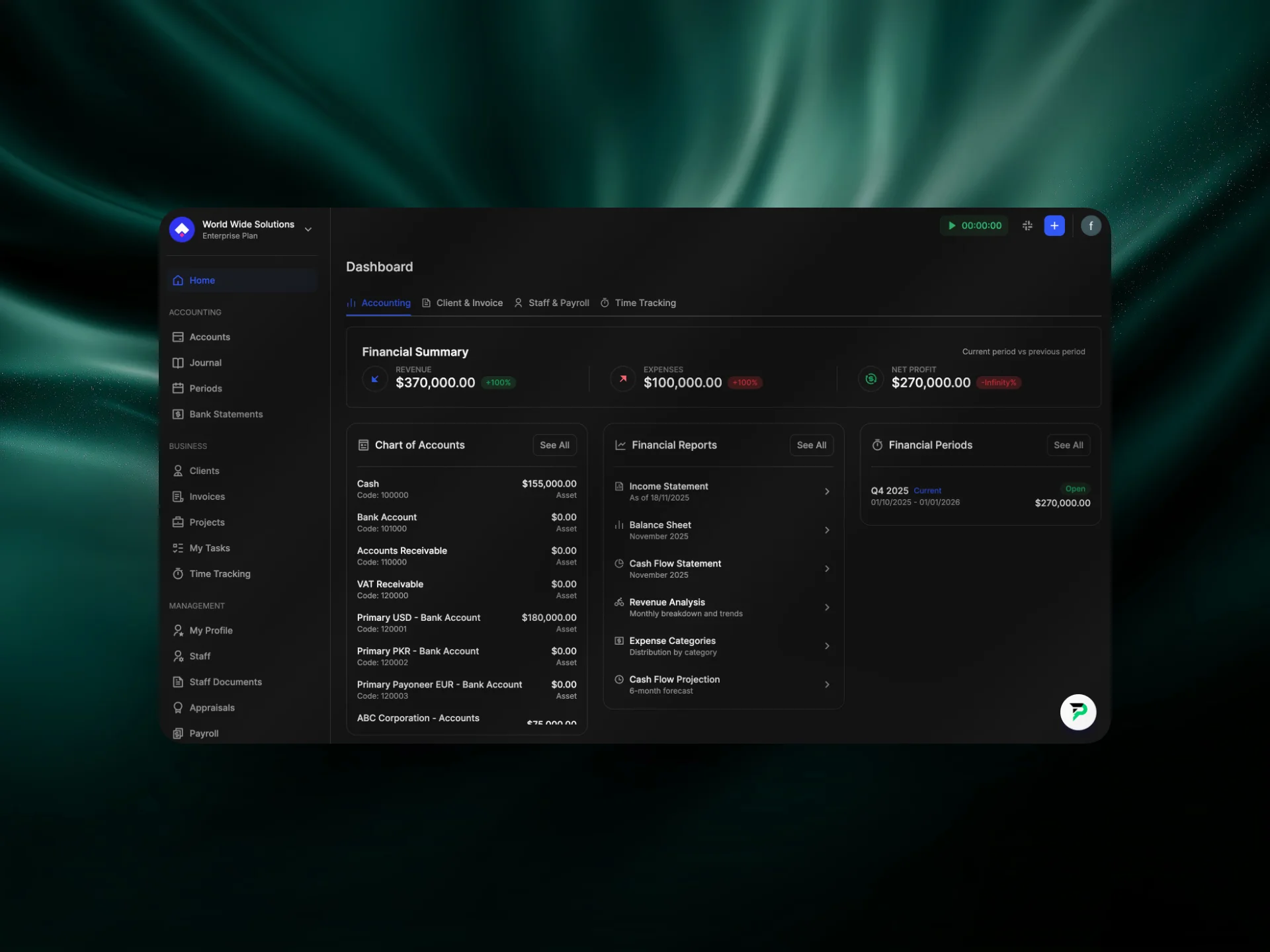
Upgrading the best accounting software for teams is a long-term decision. Businesses should look beyond basic features and focus on platforms that offer clarity, scalability, and ease of use.
The right system should:
Adapt to business growth
Support accurate decision-making
Simplify compliance and reporting
Reduce dependency on multiple tools
When accounting systems work seamlessly in the background, business owners can focus on growth instead of bookkeeping
Final Thoughts
Businesses are upgrading their accounting systems because outdated tools no longer meet modern demands. Accuracy, efficiency, compliance, and real-time visibility are no longer optional — they are essential.
A modern accounting system does more than track numbers. It empowers businesses to operate confidently, plan strategically, and grow sustainably.
Choosing the right accounting platform Halal Accounts today sets the foundation for smarter financial management tomorrow.

Let’s get started and simplify your administration
Join Halal Accounts to manage your accounts and business better.
Accounting
Staff management
Projects and Tasks
Invoicing and Time Tracking