Top Accounting Mistakes That Are Costing Your Business Money in 2026

Running a business in 2026 is more competitive than ever. Whether you manage a startup, an e-commerce brand, an agency, or a growing company, even small accounting mistakes can quietly drain your profits. Many businesses focus heavily on sales and marketing but overlook financial management until problems begin to affect cash flow, taxes, payroll, or client payments.
The reality is simple: poor accounting practices are costing businesses thousands every year.
With automation, AI-powered finance tools, and cloud-based accounting systems becoming the standard, businesses that still rely on outdated manual processes are falling behind. This is why modern businesses are now switching to smarter solutions like Halal Accounts to simplify operations while staying financially organized and compliant.
Here are the top accounting mistakes businesses are making in 2026 — and how you can avoid them.
1. Relying Too Much on Spreadsheets
Many businesses still use spreadsheets to manage expenses, payroll, invoices, and financial reports. While spreadsheets may seem convenient at first, they create major risks as your business grows.
Manual data entry increases the chances of:
Duplicate transactions
Missing invoices
Calculation errors
Payroll mistakes
Lost financial records
In 2026, businesses need real-time financial visibility. Modern accounting software automates these processes and reduces human error significantly.
With Halal Accounts, businesses can manage accounting, invoicing, payroll, projects, and time tracking from one centralized platform without relying on scattered spreadsheets.
2. Ignoring Cash Flow Management
Profit does not always mean positive cash flow.
One of the biggest reasons businesses struggle financially is poor cash flow monitoring. Many companies fail to track:
Outstanding invoices
Recurring expenses
Upcoming payroll obligations
Vendor payments
Tax liabilities
This creates situations where businesses appear profitable on paper but still face financial pressure.
Modern accounting platforms now provide live dashboards and automated reporting that help business owners understand exactly where money is coming from and where it is going.
Businesses using automated financial tracking make faster, smarter decisions than companies that still manage finances manually.
3. Delaying Invoice Follow-Ups
Late payments remain a huge issue for small and medium-sized businesses in 2026.
A common mistake is sending invoices manually and forgetting to follow up with clients. This delays cash flow and creates unnecessary financial stress.
Automated invoicing systems now allow businesses to:
Send professional invoices instantly
Automate payment reminders
Track payment history
Integrate payment gateways
Monitor unpaid balances in real time
Using a system like Halal Accounts helps businesses reduce payment delays while improving overall client management.
4. Poor Payroll and Employee Record Management
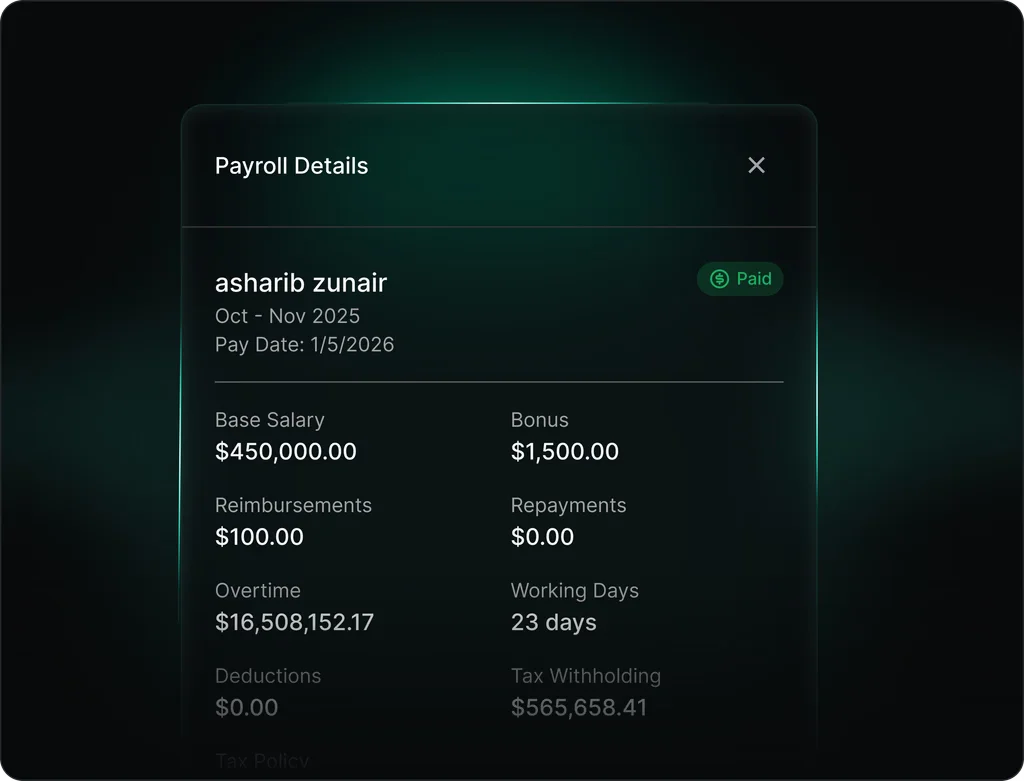
As remote teams and hybrid work models continue growing, payroll management has become more complex than ever.
Many businesses still make mistakes such as:
Incorrect salary calculations
Missing tax deductions
Poor attendance tracking
Unorganized employee records
Delayed payroll processing
These issues can damage employee trust and even create legal or compliance risks.
A centralized and accounting platform helps businesses manage payroll, staff documents, appraisals, and tax policies in one place. Automation not only saves time but also improves operational accuracy.
5. Not Using Accounting Automation
Automation is no longer optional in 2026.
Businesses that avoid automation spend more time on repetitive administrative work instead of focusing on growth.
Accounting automation helps businesses:
Reduce manual tasks
Improve reporting accuracy
Minimize financial errors
Save operational costs
Scale faster
AI-powered accounting tools are now helping businesses generate smarter financial insights, improve forecasting, and simplify bookkeeping processes.
Companies adopting accounting automation early are gaining a strong competitive advantage in their industries.
6. Mixing Personal and Business Expenses
This remains one of the most common financial mistakes among startups and small businesses.
When business owners mix personal and company expenses, it creates confusion during:
Tax filing
Financial reporting
Profit calculations
Audits
Expense tracking
Separating financial accounts is essential for maintaining accurate business records and improving financial transparency.
Cloud accounting systems now make expense categorization much easier by automatically tracking transactions and generating organized reports.
7. Failing to Track Project Profitability
Many service-based businesses focus on revenue but fail to measure project profitability properly.
Without proper tracking, businesses often underestimate:
Employee hours
Operational costs
Resource allocation
Project expenses
As a result, companies may complete projects that generate revenue but very little actual profit.
This is why integrated project management and time tracking have become essential features in modern accounting software.
With tools like Halal Accounts, businesses can manage projects, tasks, invoices, and time tracking in one place for better profitability analysis.
8. Using Multiple Disconnected Tools
Many businesses use separate tools for:
Payroll
Invoicing
HR
Accounting
Project management
Time tracking
This creates data inconsistencies, workflow delays, and reporting problems.
In 2026, businesses are moving toward all-in-one ERP systems that simplify administration and improve productivity.
An integrated platform reduces operational friction and allows teams to work more efficiently from a single dashboard.
Why Businesses Are Choosing Halal Accounting Software
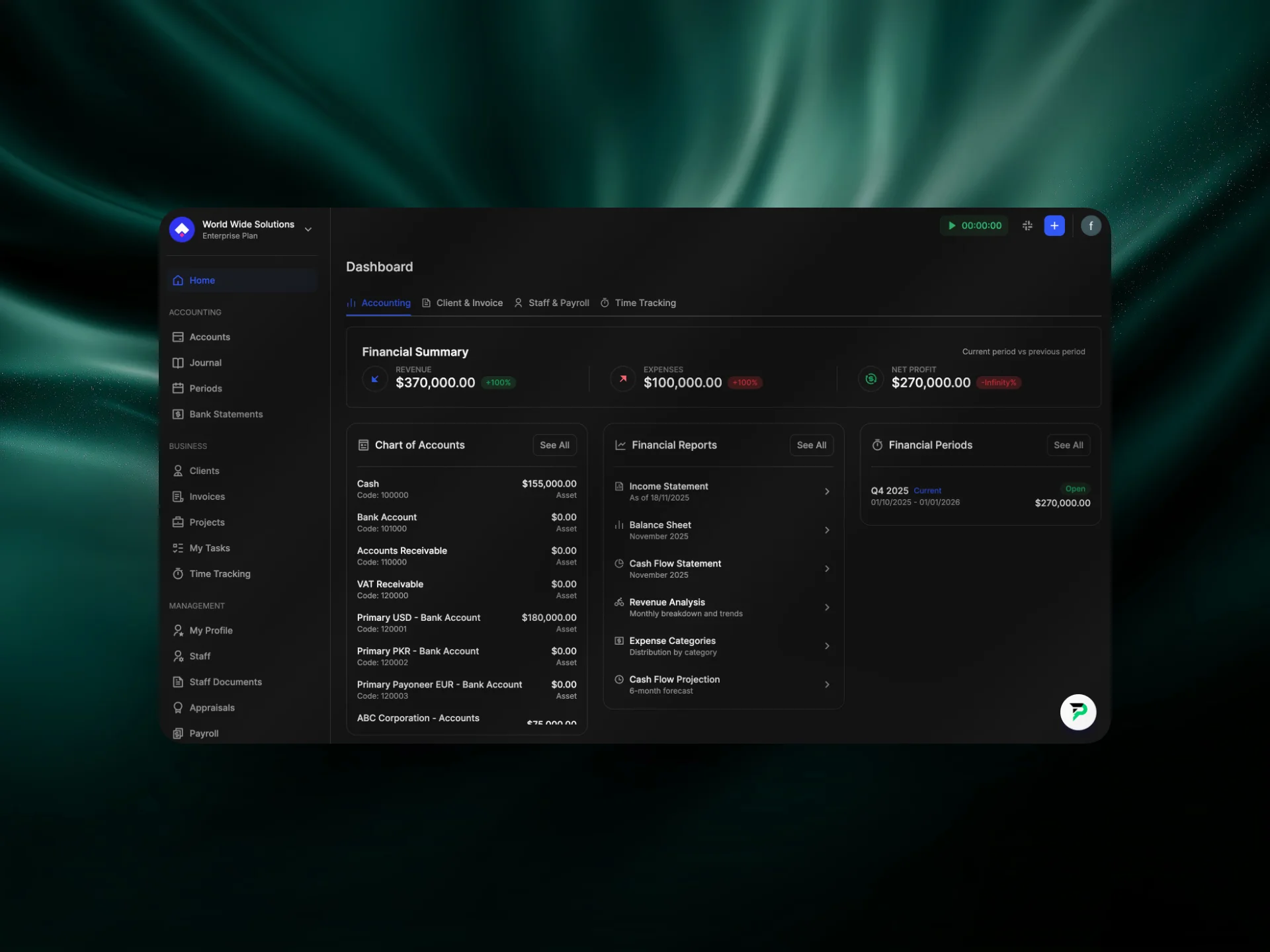
Today’s businesses want more than just bookkeeping software. They want a complete financial management solution that supports growth, automation, scalability, and ethical business practices.
Halal Accounts is designed specifically for modern businesses looking for a halal-compliant ERP and accounting solution. From payroll and invoicing to project management and automated time tracking, the platform helps businesses simplify operations without compromising on Islamic principles.
As businesses continue adopting AI and automation in finance, companies using modern accounting systems will be better positioned for long-term success.
Final Thoughts
Accounting mistakes are often silent profit killers. What seems like a small operational issue today can become a major financial problem tomorrow.
In 2026, businesses that invest in automation, accurate reporting, and centralized financial management are scaling faster and operating more efficiently.
Whether you run a startup, agency, ecommerce store, or growing enterprise, upgrading your accounting process can save time, reduce costly errors, and improve overall business performance.
If you want to streamline your finances, payroll, invoicing, and project management in one place, Halal Accounts offers a modern solution built for the future of business.

Let’s get started and simplify your administration
Join Halal Accounts to manage your accounts and business better.
Accounting
Staff management
Projects and Tasks
Invoicing and Time Tracking