How Predictive Accounting Is Transforming Finance
Financial management is evolving rapidly as businesses adopt new technologies to stay competitive. Traditional accounting has always focused on recording past transactions, preparing reports, and ensuring compliance. However, modern companies now require deeper insights that help them anticipate financial outcomes and make strategic decisions.
This shift has given rise to predictive accounting — a modern approach that uses data analytics, automation, and artificial intelligence to forecast financial trends. Instead of simply analyzing what has already happened, predictive accounting helps organizations understand what is likely to happen next.
For growing businesses, this transformation can significantly improve financial planning, risk management, and operational efficiency.
What Is Predictive Accounting?
Predictive accounting refers to the use of advanced data analysis and machine learning to forecast financial outcomes. By analyzing historical financial data, modern accounting systems can identify patterns and generate predictions about future financial performance.
Predictive accounting tools can estimate:
Future revenue trends
Cash flow fluctuations
Customer payment behavior
Expense patterns
Financial risks
These insights allow finance teams to plan rather than react to problems after they occur.
Moving from Historical to Predictive Finance
Traditional accounting systems are designed primarily for historical reporting. Businesses review monthly statements, balance sheets, and income reports to understand what happened during a specific period.
Predictive accounting changes this approach by combining historical data with intelligent forecasting models. This creates a proactive financial management system where businesses can anticipate financial challenges and opportunities.
For example, predictive tools may identify that a company will experience a cash flow shortage in two months based on invoice patterns and recurring expenses. With that information, business leaders can adjust budgets or payment schedules before the issue becomes serious.
How Data Analytics Powers Predictive Accounting
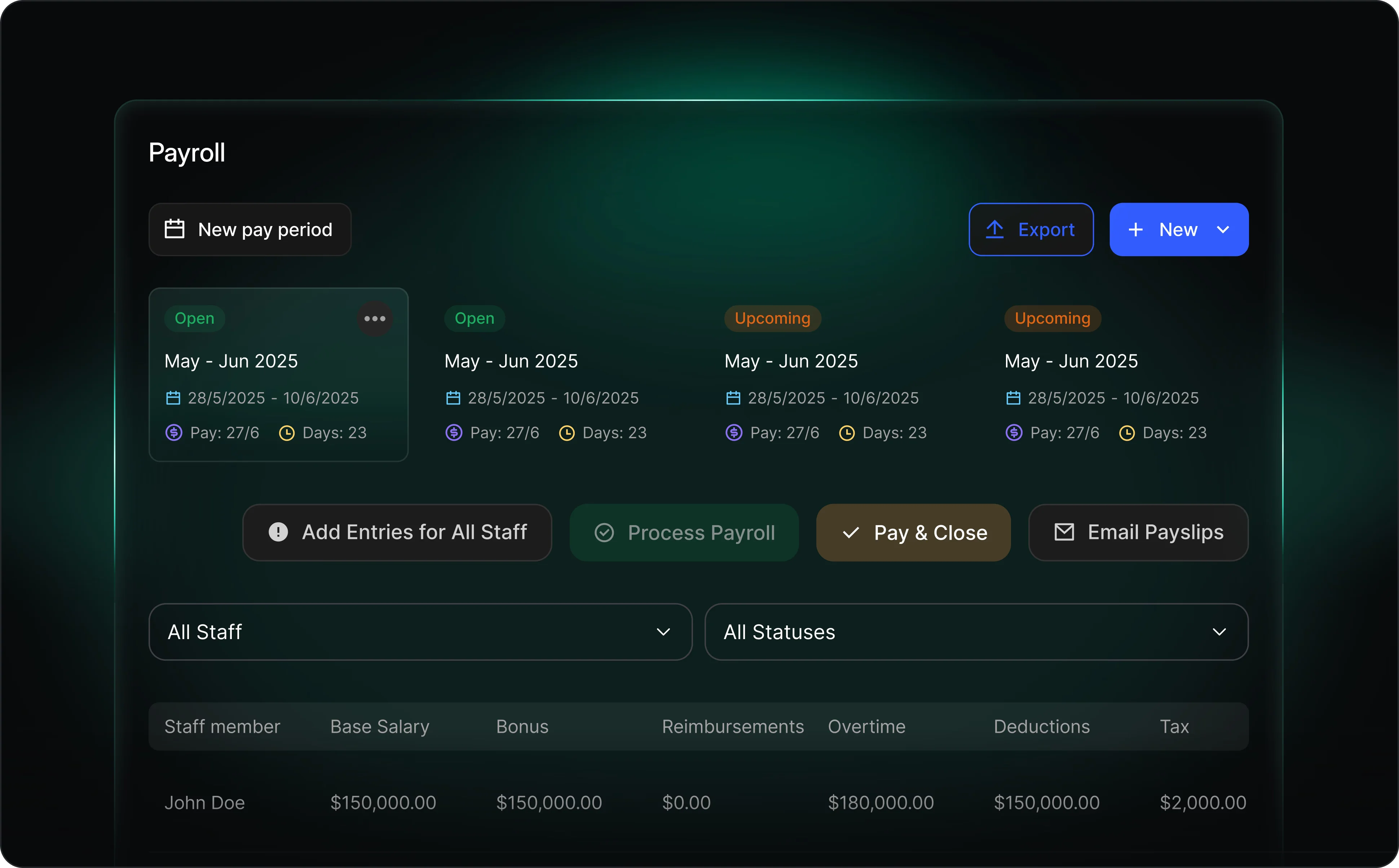
Data analytics plays a central role in predictive accounting. Modern accounting platforms collect large amounts of financial data from invoices, payroll systems, expense records, and operational activities.
Advanced algorithms analyze this data to identify trends and relationships that may not be visible through manual analysis.
These insights can help businesses:
Forecast seasonal revenue changes
Identify high-value customers
Detect unusual spending patterns
Improve budgeting accuracy
As a result, finance teams gain a deeper understanding of their organization’s financial health and future outlook.
Automation and AI in Financial Forecasting
Automation and artificial intelligence are making predictive accounting more accessible for businesses of all sizes. Previously, financial forecasting required complex spreadsheets and extensive manual calculations.
Today, intelligent accounting systems can automatically generate forecasts and financial projections using built-in analytics tools.
Some advanced systems can even:
Predict late payments from clients
Recommend optimal payment schedules
Suggest cost-saving opportunities
Detect financial anomalies
When combined with modern financial dashboards, these capabilities allow business leaders to monitor financial performance and make strategic decisions with confidence.
Choosing the Right Accounting Technology
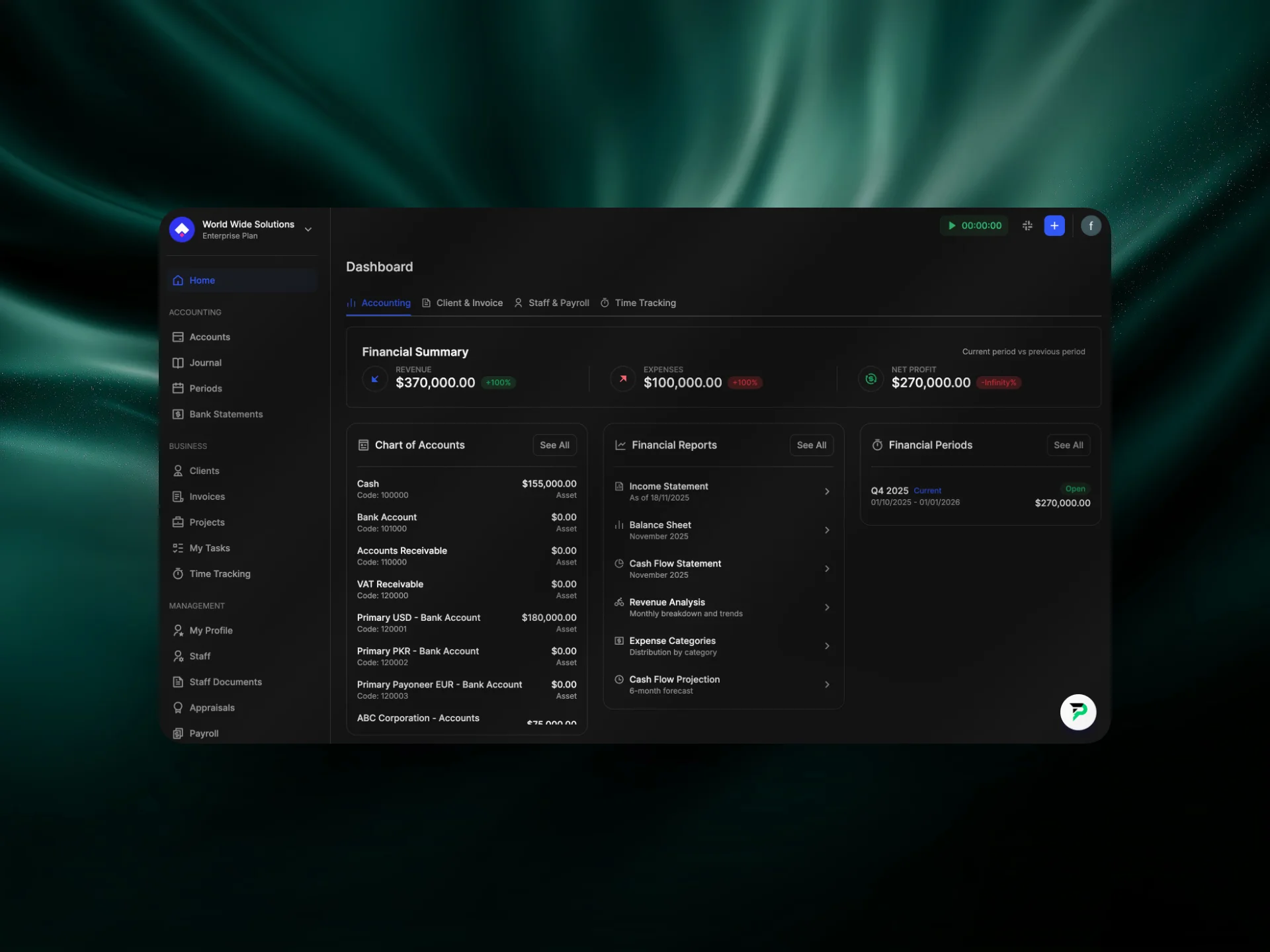
Adopting predictive accounting requires modern financial software that supports automation, analytics, and integration with other business tools.
Many organizations are searching for the best accounting software that can manage financial records while also providing forecasting and data-driven insights. The right platform should not only handle traditional accounting tasks but also support advanced financial analysis and real-time reporting.
Key features businesses should look for include:
Cloud-based accessibility
Automated transaction tracking
Real-time financial dashboards
Integrated payroll and invoicing
Data analytics and forecasting tools
Choosing the right system ensures that financial data remains organized, accurate, and ready for advanced analysis.
Benefits for Growing Businesses
Predictive accounting offers several advantages for organizations that are expanding or managing increasing financial complexity.
Better Financial Planning
Businesses can create more accurate budgets and forecasts based on real data patterns rather than assumptions.
Improved Cash Flow Management
Predictive insights help companies anticipate payment delays or revenue gaps, allowing them to adjust their strategies in advance.
Smarter Decision Making
Access to predictive insights allows leaders to make strategic decisions about hiring, investments, and expansion.
Reduced Financial Risks
By detecting unusual financial patterns early, predictive systems can help prevent costly mistakes or fraud.
The Future of Finance
Predictive accounting represents the next stage in the evolution of financial management. As businesses continue to generate more financial data, advanced analytics will become increasingly important for turning that data into actionable insights.
Organizations that adopt predictive accounting technologies will gain a significant advantage by improving their financial visibility and planning capabilities. Instead of relying solely on past reports, businesses will be able to shape their financial future with confidence.
Conclusion
Predictive accounting is transforming finance by shifting the focus from historical reporting to forward-looking insights. Through automation, data analytics, and artificial intelligence, businesses can better understand their financial trends and prepare for future challenges.
As companies continue to modernize their financial operations, adopting advanced accounting platforms becomes essential. Solutions like Halal Accounts demonstrate how modern tools can simplify financial management while providing the insights businesses need to grow efficiently and manage their operations with greater clarity.

Let’s get started and simplify your administration
Join Halal Accounts to manage your accounts and business better.
Accounting
Staff management
Projects and Tasks
Invoicing and Time Tracking